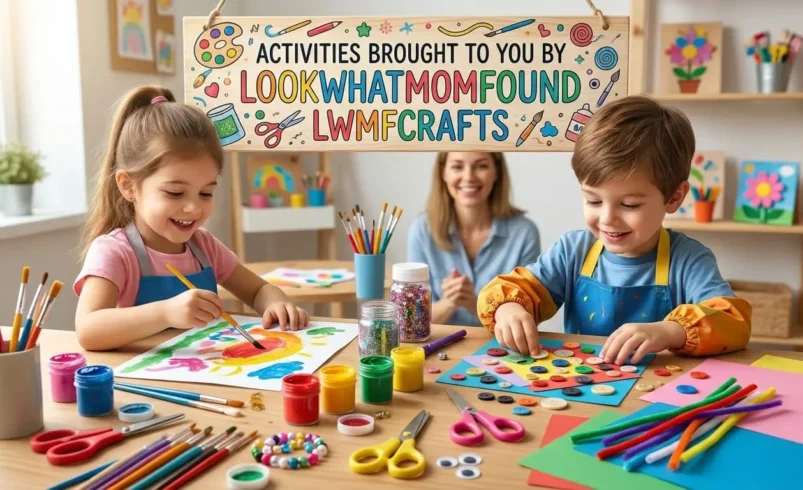
Finding enjoyable activities that bring the whole family together can sometimes be challenging, especially when children spend much of their free time watching television, playing video games, or using mobile devices. Parents often look for simple ways to encourage creativity, learning, and meaningful family interaction without spending a large amount of money. This is where activities brought to you by LookWhatMomFound LWMFCrafts can serve as an interesting source of inspiration for families who enjoy hands-on projects and creative experiences.
Creative activities do not always require expensive materials, advanced skills, or professional equipment. A few sheets of paper, cardboard boxes, colourful pencils, glue, and everyday household objects can provide everything needed for an enjoyable afternoon. Children can use these materials to create decorations, make handmade gifts, design imaginary characters, and explore different ways of expressing their ideas.
The value of family crafts goes beyond the finished project. During the creative process, children have opportunities to practise patience, develop problem-solving skills, make independent decisions, and communicate their thoughts. Parents also get an opportunity to spend meaningful time with their children while discovering their interests and encouraging their imagination.
Activities brought to you by LookWhatMomFound LWMFCrafts can be explored through this broader idea of family creativity. Whether someone is interested in paper crafts, recycled-material projects, indoor entertainment, seasonal decorations, or simple DIY experiments, the main purpose is to make creative time enjoyable and accessible.
What Are Activities Brought to You by LookWhatMomFound LWMFCrafts?
The keyword activities brought to you by LookWhatMomFound LWMFCrafts brings together the idea of family-friendly creativity, practical DIY projects, and enjoyable activities that parents and children can explore together. It represents an approach to making everyday free time more productive through crafts, games, and imaginative projects.
For many families, the most enjoyable activities are not necessarily the most complicated ones. A child might feel just as excited about creating a paper animal as they would about completing a large art project. Similarly, building a small cardboard house can become an entertaining experience when parents participate and allow children to make their own design decisions.
Family activities can include several creative categories. Some focus on making physical objects, while others encourage children to experiment with colours, shapes, textures, and different materials. Certain projects can also introduce basic educational concepts through practical experiences.
The important thing is to choose activities that match children’s interests, available materials, and individual abilities. A project should feel like an enjoyable experience rather than another task that children must complete perfectly.
Why Creative Family Activities Matter
Children benefit from opportunities to explore their surroundings and express themselves in different ways. Creative projects provide an environment where they can experiment without worrying too much about making mistakes. When a child chooses colours for a drawing, decides how to decorate a handmade card, or builds something using cardboard, they are practising independent thinking.
Family crafts can also encourage communication. Parents can ask children about their designs, listen to their explanations, and discuss different possibilities. These conversations allow children to express their thoughts while developing confidence in sharing their ideas.
Another important benefit is the opportunity to spend time together. Busy schedules can make it difficult for families to find activities that everyone enjoys. A simple craft session at home creates a shared experience that does not require complicated planning.
Creative activities can also help children develop patience. Some projects require several steps, and children may need to wait for glue to dry, arrange materials, or correct a design. These small experiences can gradually teach them that completing something often requires attention and effort.
Popular Types of LWMFCrafts-Inspired Activities
There are many ways to introduce creativity into a family routine. The following ideas provide practical inspiration for parents who want to organize enjoyable activities at home.
1. Paper Craft Projects
Paper crafts are among the easiest activities to arrange because they require relatively few materials. Parents can use coloured paper, old newspapers, drawing sheets, scissors, pencils, and glue to introduce children to simple creative projects.
Children can make paper flowers, greeting cards, animals, bookmarks, decorative shapes, and colourful wall displays. Each project gives them an opportunity to experiment with cutting, folding, drawing, and arranging different pieces.
A simple paper flower activity can begin with a coloured sheet. Children can draw petals, cut them into shapes with age-appropriate supervision, and attach them to a paper stem. They can create several flowers in different colours and arrange them into a handmade bouquet.
Paper crafts are particularly useful when parents want an activity that can be completed without preparing a large workspace. They are also easy to adapt for different age groups.
2. Cardboard Building Activities
Cardboard is a useful material for imaginative projects because it can be transformed into many different objects. Empty packaging boxes, tissue rolls, and clean cardboard sheets can become houses, castles, vehicles, animals, or miniature towns.
Children can begin by designing a small house using a cardboard box. They might draw windows, add a paper door, create a roof, and decorate the outside with coloured pencils or paint. Parents can help with cutting or joining larger pieces when necessary.
Another enjoyable idea is creating a cardboard city. Children can build several small buildings and arrange them together to create streets, parks, shops, and houses. Toy vehicles or handmade paper characters can make the finished scene more interactive.
These projects encourage children to think about shapes, sizes, balance, and construction. They also show how ordinary household materials can be reused instead of immediately being discarded.
3. Handmade Greeting Cards
Handmade greeting cards are suitable for birthdays, family celebrations, holidays, and other special occasions. They allow children to create something personal while practising basic design skills.
A simple card can be made by folding a piece of paper in half and decorating the front with drawings, stickers, colourful shapes, or paper cutouts. Children can write a short message inside with help from an adult if necessary.
Parents can make the activity more interesting by allowing children to choose a theme. One child might create a birthday card featuring balloons, while another may prefer flowers, animals, or geometric patterns.
The finished cards can be given to relatives and friends. This gives children an opportunity to understand the value of handmade gifts and the thought behind creating something for another person.
4. Paper Plate Masks
Paper plates can become creative masks with only a few additional materials. Children can turn them into animal faces, imaginary characters, or colourful decorative designs.
Start by allowing children to select a character they want to create. They can draw the basic facial features, add paper ears, and decorate the surface using crayons or washable paints. An adult should handle any cutting required for eye openings and other difficult shapes.
Once the mask is ready, children can use it during pretend-play activities. They might create a short story, act out a scene, or invent characters with different personalities.
This project combines art with imagination and storytelling, making it more engaging than a simple colouring exercise.
5. Nature-Inspired Crafts
Outdoor surroundings can provide inspiration for creative family projects. Leaves, flowers that have naturally fallen, small twigs, and other suitable natural materials can be used to create decorative artwork.
For example, children can arrange fallen leaves on paper to create an animal shape or a seasonal picture. They can also use leaf outlines for drawing activities or make a simple nature collage.
Parents should choose clean and safe materials and avoid collecting unknown plants, sharp objects, or anything that may cause irritation. Children should also wash their hands after handling outdoor materials.
Nature-inspired crafts offer an opportunity to combine creativity with observation. Children can notice differences in leaf shapes, colours, and textures while creating their artwork.
Indoor Activities for Children
Indoor activities are particularly useful during rainy days, hot weather, school holidays, or weekends when outdoor entertainment is not convenient. Parents can organize simple projects using materials already available at home.
1. DIY Paper Puppets
Paper puppets can turn an ordinary afternoon into a small storytelling session. Children can draw characters on paper, colour them, and attach them to craft sticks with adult assistance.
They can create family members, animals, superheroes, or imaginary creatures. Once the puppets are ready, children can use them to perform a short story.
Parents can encourage children to create different voices and personalities for each character. This makes the activity more interactive and provides an opportunity to practise communication.
2. Indoor Treasure Hunt
A treasure hunt can provide entertainment without requiring complicated equipment. Parents can hide a few safe household objects in suitable places and prepare simple clues that lead children from one location to another.
For younger children, clues can use pictures or basic descriptions. Older children may enjoy solving short riddles or following a sequence of instructions.
The activity can include a handmade certificate, a small toy, or a creative surprise at the end. The main purpose is to encourage observation, reasoning, and teamwork rather than focusing on the reward.
3. Colour and Shape Matching
Colour and shape matching activities can make learning more interactive for younger children. Parents can prepare paper cards featuring different colours, circles, squares, triangles, and other basic shapes.
Children can match similar cards, arrange them into groups, or find objects around the room that have the same colours and shapes.
For example, parents might ask children to identify three circular objects or find something that is blue. These small challenges encourage observation while keeping the activity simple.
4. DIY Storybook Creation
Children who enjoy drawing can create their own short storybooks. Parents can provide several sheets of paper and help fold or staple them into a small booklet.
Children can choose a character, create a setting, and draw pictures showing what happens in the story. They can add short sentences or explain the story verbally if they are still developing their writing skills.
The finished booklet can become part of a small family collection. Children may also enjoy reading their stories aloud to parents or siblings.
Outdoor Creative Activities
Outdoor activities allow children to explore their surroundings while enjoying fresh air and movement. Creative projects can be combined with simple games to make the experience more engaging.
1. Sidewalk Chalk Art
If a suitable outdoor surface is available, washable sidewalk chalk can be used to create colourful drawings. Children can draw flowers, animals, houses, roads, or imaginary landscapes.
Parents can also introduce a collaborative drawing challenge. Each family member adds one part to a larger picture, creating a shared artwork.
The activity can be adapted for different ages by changing the level of detail. Younger children may enjoy drawing basic shapes, while older children can create more elaborate scenes.
2. Backyard Scavenger Hunt
A scavenger hunt encourages children to observe their surroundings carefully. Parents can prepare a simple list of safe things to find, such as a green leaf, a small stone, a flower, or something shaped like a circle.
Children can work individually or in teams. Parents should set clear boundaries and make sure the selected area is safe before starting.
This activity combines movement, observation, and problem-solving without requiring expensive equipment.
3. Family Garden Project
A small gardening activity can become a long-term family project. Children can help fill a suitable container with soil, plant appropriate seeds, and observe how the plants change over time.
Parents should select plants suitable for the available space and climate. Children can also decorate plant labels and maintain a simple growth journal using drawings or short notes.
The project encourages responsibility because children can take part in watering and observing the plants under adult guidance.
Educational Activities That Feel Like Play
Learning does not always need to happen through textbooks or worksheets. Practical creative activities can introduce children to different concepts in a more relaxed environment.
1. Alphabet Art
Parents can select one letter and ask children to draw objects that begin with that letter. For example, the letter A might inspire drawings of an apple, ant, or airplane.
Children can decorate the letter using colours and small paper shapes. Older children can create a complete alphabet collection with a different design for each letter.
2. Number-Based Crafting
Numbers can become part of simple art projects. Parents might ask children to draw five flowers, create three paper animals, or arrange seven coloured shapes on a sheet.
These activities combine counting with creative work. They can be adjusted according to a child’s current understanding of numbers.
3. Simple Science-Inspired Projects
Children often enjoy activities that allow them to observe changes. A basic experiment involving water and floating objects can introduce the idea that some materials float while others sink.
Parents can prepare a container of water and a few safe household objects. Before placing each object in the water, children can guess what might happen. They can then compare their predictions with the results.
An adult should supervise the entire activity, keep water away from electrical equipment, and ensure that small objects are not accessible to very young children.
How Parents Can Organize Successful Craft Sessions
A successful family activity does not need a complicated schedule. A little preparation can make the experience easier and more enjoyable.
First, choose one activity rather than preparing several projects at the same time. Too many options can make children feel overwhelmed, especially when they are young. A single project allows everyone to focus and enjoy the process.
Next, collect the required materials before beginning. Keep paper, pencils, washable colours, glue, and other supplies in one place. This reduces interruptions and makes it easier to manage the activity.
Parents should also prepare a suitable workspace. A dining table or a small corner of a room can work well if it is protected from spills and easy to clean. Keep sharp tools and unsuitable materials away from children.
Most importantly, allow children to make their own creative decisions. Parents can provide guidance, but they should avoid controlling every detail. A handmade project does not need to look perfect to be meaningful.
Activities for Different Age Groups
Children have different interests and abilities, so the same activity may need adjustments depending on age.
Toddlers and Preschool Children
Younger children generally benefit from simple activities involving colours, shapes, and safe textures. Large paper shapes, washable crayons, supervised finger painting, and basic matching games can provide suitable starting points.
Parents should prepare materials carefully and avoid small pieces that could create choking risks. Adult supervision is essential throughout the activity.
Primary School Children
Children in this age group may enjoy projects with several steps. Paper animals, handmade cards, cardboard buildings, and simple storybooks can provide an appropriate level of challenge.
Parents can encourage them to plan their designs before starting. This gives children an opportunity to think about what they want to create and how they might complete it.
Older Children
Older children may prefer more detailed projects that allow greater independence. They might enjoy designing room decorations, creating miniature models, making personalized notebooks, or planning a themed family craft session.
Parents can also encourage them to help younger siblings. Working together can make the activity more collaborative and give older children an opportunity to practise leadership.
Seasonal Craft Ideas for Family Creativity
Seasonal activities can make family craft sessions feel different throughout the year. They also provide opportunities to decorate the home and create handmade items for special occasions.
During spring, children can create paper flowers, butterfly decorations, and colourful garden pictures. These projects can use bright colours and nature-inspired designs.
Summer activities might include beach-themed artwork, handmade fans, colourful paper decorations, and outdoor drawing challenges. Parents can choose projects that suit the available space and weather conditions.
During autumn, children can experiment with leaf-inspired artwork, paper trees, and warm-coloured decorations. They can also create simple displays using suitable materials collected during outdoor walks.
Winter provides opportunities for handmade greeting cards, paper snowflakes, decorative stars, and personalized ornaments. Families can adapt these projects according to their own celebrations and traditions.
The goal is not to follow a strict seasonal schedule. Instead, families can use different times of the year as inspiration for fresh creative experiences.
Using Recycled Materials for DIY Crafts
Reusing household materials can make craft activities more affordable and encourage children to think about waste. Many ordinary objects can become useful creative supplies when they are clean, safe, and suitable for the intended project.
Empty cardboard boxes can be transformed into storage containers, miniature buildings, or toy garages. Clean paper packaging can be used for drawing and collage activities, while empty tissue rolls can become simple decorative characters.
Parents can also introduce a sorting activity before starting a project. Children can separate reusable cardboard, paper, and other suitable materials into different groups.
However, not every household object is appropriate for children. Avoid sharp metal edges, broken glass, chemical containers, dirty packaging, and objects with small detachable parts that could create safety risks.
Recycling-based projects also provide a natural opportunity to discuss responsible use of materials. Children can learn that some objects may have another purpose before being thrown away.
Benefits of Creative Activities for Family Relationships
Family craft sessions can create shared experiences that children remember. The activity itself may be simple, but the conversations, laughter, and teamwork can make it meaningful.
When parents participate, children often feel encouraged to share their ideas. They can explain why they selected certain colours, how they designed a character, or what inspired their project.
These conversations help family members understand each other’s interests. Parents may discover that a child enjoys drawing, building, storytelling, or experimenting with different materials.
Creative projects can also encourage cooperation between siblings. Instead of asking each child to complete a separate task, parents can introduce a shared project where everyone contributes something.
For example, one child can design a cardboard building, another can decorate it, and a third can create paper characters for the finished scene. Everyone has a role, and the final project becomes a shared achievement.
How to Keep Children Interested in DIY Projects
Children may lose interest when an activity becomes too repetitive or difficult. Parents can maintain enthusiasm by introducing variety and allowing children to make choices.
One useful approach is to create a small collection of activity ideas. Children can select a project based on their mood, available time, and preferred materials.
It is also helpful to divide larger projects into manageable steps. Instead of asking a child to complete a complicated model in one sitting, parents can divide the work into designing, building, decorating, and displaying.
Another strategy is to celebrate effort rather than perfection. Children should feel comfortable experimenting, making mistakes, and trying again. A project that looks different from the original plan can still be a successful creative experience.
Parents should also recognize when children need a break. Not every activity has to continue until the project is finished. Sometimes returning to it later makes the experience more enjoyable.
Frequently Asked Questions
1. What are activities brought to you by LookWhatMomFound LWMFCrafts?
The phrase refers to family-oriented creative activity ideas associated with crafts, DIY projects, and enjoyable experiences for parents and children. It can be explored through practical projects involving paper, cardboard, household materials, and imaginative play.
2. Are LWMFCrafts-inspired activities suitable for children?
Many simple craft ideas can be adapted for children, but suitability depends on the materials, project complexity, and child’s age. Parents should select age-appropriate activities and provide supervision whenever necessary.
3. What materials are needed for simple family crafts?
Basic materials may include coloured paper, cardboard, pencils, washable crayons, glue, clean packaging, and child-friendly decorative supplies. The exact requirements depend on the activity.
4. Can families enjoy craft activities without spending much money?
Yes. Many projects can be created using materials already available at home. Reusable cardboard, paper packaging, and drawing supplies can provide enough materials for several activities.
5. What are some good indoor activities for children?
Paper puppets, handmade greeting cards, cardboard buildings, DIY storybooks, colour-matching games, and indoor treasure hunts are useful options. Parents can select projects based on available space and children’s interests.
6. How do crafts help children learn?
Creative activities can encourage problem-solving, observation, coordination, communication, and independent thinking. Educational value depends on the activity and how parents guide the experience.
7. Are recycled-material crafts safe?
They can be safe when parents carefully select clean and suitable materials. Sharp edges, broken objects, chemical containers, and small pieces that may create choking risks should be avoided.
8. How can parents make craft activities more interesting?
Parents can introduce themes, offer different materials, encourage children to choose their own designs, and divide larger projects into smaller steps. Allowing children to experiment also helps maintain interest.
9. Can older children participate in family crafts?
Absolutely. Older children can work on more detailed projects, such as miniature models, personalized notebooks, room decorations, and collaborative family displays.
10. How often should families organize creative activities?
There is no fixed schedule. Families can organize creative sessions whenever they have suitable time and interest. Even a short activity during the weekend can provide an enjoyable opportunity to spend time together.
Conclusion
Activities brought to you by LookWhatMomFound LWMFCrafts can be approached as an opportunity to explore family creativity through simple DIY projects, imaginative play, and hands-on experiences. From paper flowers and handmade greeting cards to cardboard buildings, nature-inspired artwork, and indoor games, there are many ways to make everyday family time more engaging.
The best activities are not necessarily the most expensive or complicated. Simple projects can provide children with opportunities to express themselves, practise new skills, and develop confidence in their ideas. Parents can make these experiences even more meaningful by participating, offering encouragement, and allowing children to explore their own creativity.
With a small collection of household materials and a little preparation, families can create enjoyable experiences at home. The focus should remain on participation, imagination, and spending quality time together rather than achieving perfect results. When creative activities become a regular part of family life, even ordinary afternoons can turn into memorable experiences.
For More Visits: Worldmagazine