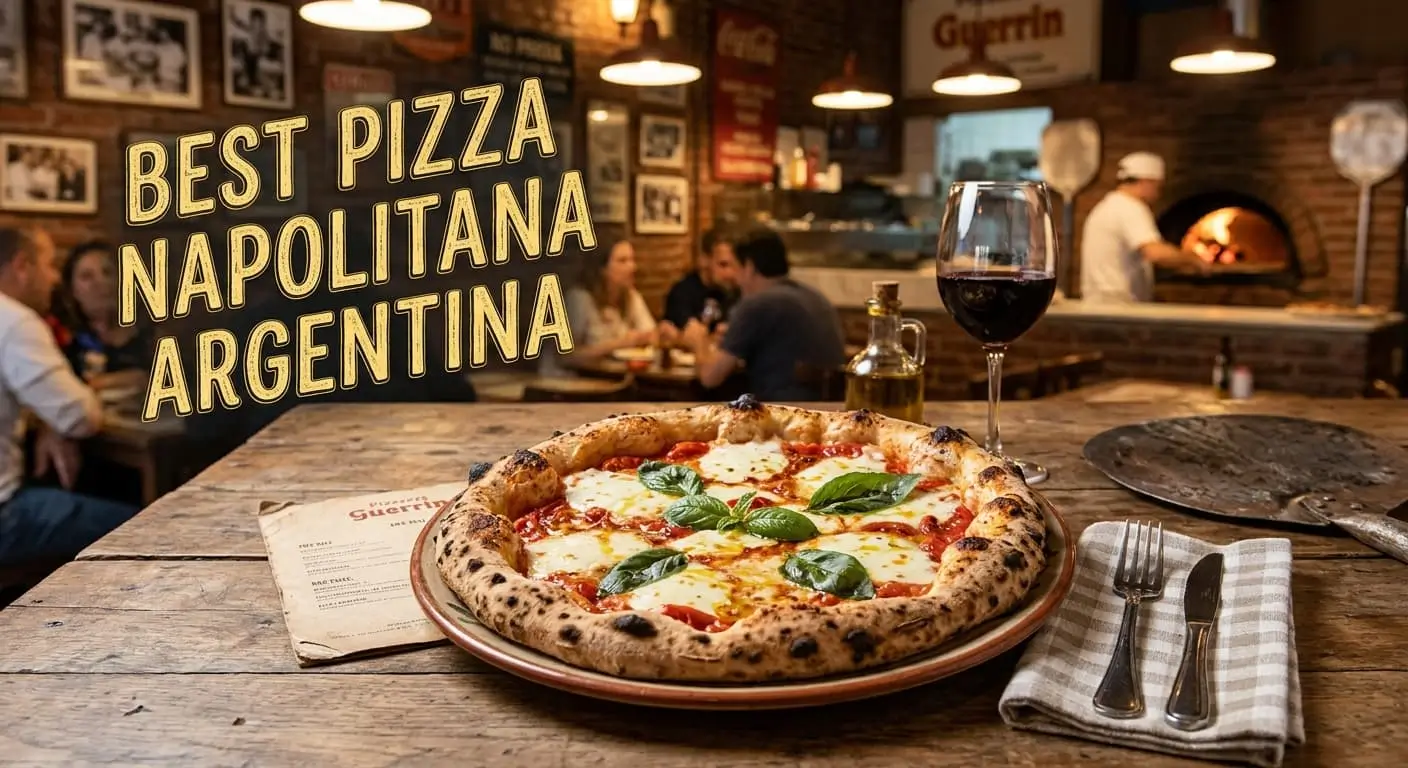
Finding the best pizza calabresa Argentina near me is about more than choosing the closest pizzeria. The right slice brings together savory sausage, melted cheese, flavorful tomato sauce,
Finding the best pizza calabresa Argentina near me is about more than choosing the closest pizzeria. The right slice brings together savory sausage, melted cheese, flavorful tomato sauce, and a crust that holds everything together without losing its texture. Whether you prefer a generously topped Argentine-style pizza, a thinner and crispier base, or a traditional neighborhood pizzeria, knowing what to look for can make your next pizza outing much more rewarding.
Calabresa pizza is an appealing choice for anyone who enjoys the rich, slightly smoky taste of sausage balanced with the familiar comfort of cheese and baked dough. In Argentina, where pizza has developed its own character through generations of Italian culinary influence, this combination fits naturally into a food culture that appreciates generous toppings, satisfying portions, and relaxed meals shared with friends and family.
The search for the best calabresa pizza in Argentina can lead to different experiences depending on the city, neighborhood, cooking method, and individual pizzeria. One establishment might focus on a thick, soft crust with abundant mozzarella, while another might specialize in a thinner base that develops a crisp underside. Neither approach is automatically better. The most satisfying choice depends on the ingredients, preparation, freshness, and style you enjoy.
This guide explains what makes calabresa pizza distinctive, how to evaluate a local pizzeria, which details matter when ordering, and how to choose between dine-in, takeaway, and delivery. Rather than relying on unsupported restaurant rankings or invented prices, it offers practical ways to identify a pizza place that matches your preferences.
Quick Pizza Guide Table
Fact
Details
Pizza Style
Calabresa pizza, featuring sausage as a central topping
Origin and Culinary Influence
An Italian-influenced pizza tradition adapted to Argentine tastes
Main Topping
Calabresa-style sausage, usually sliced or cut into pieces
Common Ingredients
Pizza dough, tomato sauce, mozzarella, sausage, and optional oregano, olives, onions, or other seasonings
Flavor Profile
Savory, meaty, cheesy, lightly smoky, and sometimes spicy
Popular Serving Style
Whole pizzas or individual slices, depending on the pizzeria
Best Pairings
Fainá, fresh salad, sparkling water, lemonade, or another preferred beverage
Where to Find It
Local pizzeria menus, neighborhood recommendations, restaurant listings, and delivery platforms
Price Range
Varies by city, portion size, ingredients, restaurant type, and ordering method; check current local menus
Ideal For
Pizza lovers, sausage enthusiasts, families, groups, and food explorers
What Makes Calabresa Pizza Different From Other Pizza Styles?
Calabresa pizza stands out because sausage contributes a deeper, more savory flavor than many simpler cheese-based varieties. Instead of relying entirely on tomato sauce and mozzarella, this style adds seasoned meat that brings saltiness, richness, and a distinctive aroma to every bite. When the ingredients are balanced properly, the sausage enhances the pizza without overwhelming its other components.
The name refers to a calabresa-style sausage traditionally associated with Portuguese-speaking culinary traditions and inspired by the broader European tradition of seasoned sausages. In Brazilian food culture, calabresa sausage is particularly familiar and is widely used as a pizza topping. Across Latin America, similar sausage-based pizzas may appear under different names, with recipes varying between restaurants and regions.
It is important to distinguish the topping from a single, universally fixed recipe. A pizza advertised as calabresa may use different sausage varieties depending on the country, supplier, and kitchen. Some versions emphasize a peppery, cured-sausage character, while others feature a milder, cooked sausage with a softer texture. The menu description and a quick question to the restaurant can clarify what you will receive.
The Importance of Sausage Quality
Sausage is the defining ingredient, so its flavor and preparation have a substantial influence on the finished pizza. A good topping should contribute a satisfying savory taste while retaining enough texture to remain noticeable alongside the cheese. Thin slices may become lightly crisp around their edges, whereas thicker pieces can stay tender and meaty.
The sausage should also be distributed sensibly across the pizza. If all the topping sits in the center, the first few slices may feel excessively rich while the outer portions lack flavor. Even coverage helps create a more consistent experience, particularly when sharing a large pizza among several people.
Excessive grease can be another warning sign. Some fat naturally renders from sausage during baking, adding flavor and helping the topping brown. However, if a pizza arrives with a large pool of oil, a soggy base, or toppings that slide away with every slice, the overall preparation may be poorly balanced. A little richness is desirable; a heavy, greasy finish is not essential to authentic-tasting calabresa pizza.
How Cheese Complements the Sausage
Mozzarella is a common choice because its mild flavor and melting qualities work well with seasoned sausage. It creates a creamy layer that softens the sharper notes of the meat and brings the toppings together. The amount matters, too. A generous layer can be appealing, particularly for people who enjoy Argentine-style pizza, but too much cheese may hide the sausage’s flavor and make the slice difficult to handle.
Look for cheese that melts evenly and remains pleasantly soft without turning the entire pizza into an oily layer. The tomato sauce should provide enough acidity to balance the richness of the cheese and sausage. When these elements complement one another, each bite feels full of flavor without becoming tiring.
The Flavor Behind Argentina’s Pizza Culture
Argentina has a distinctive pizza culture shaped by Italian immigration, local tastes, and the evolution of neighborhood pizzerias. Pizza became established in Buenos Aires through Italian culinary influence, with Genoese and Neapolitan traditions contributing to the varieties that developed locally. Over time, Argentine pizza acquired recognizable characteristics, including substantial cheese toppings and several distinct approaches to preparing the crust. The official Buenos Aires tourism guide offers a useful introduction to these local traditions. Buenos Aires Tourism+1
This background helps explain why finding the best pizza calabresa Argentina near me can involve more than searching for a single recipe. The sausage topping may be the main attraction, but the dough, cheese, baking method, and serving style also shape the final experience.
Understanding Argentine-Style Pizza
One familiar approach is al molde, a pan-baked pizza with a thicker, softer, more substantial base. This style can support generous amounts of mozzarella and sausage, making it a satisfying option for diners who enjoy a hearty meal. Its interior should remain pleasantly tender, while the underside should be sufficiently baked to support the toppings.
Another option is a la piedra, which generally has a thinner base and a firmer, crisper texture. This style allows the sausage and cheese to stand out without the bread-like quality of a thicker crust. It may suit people who want a lighter-feeling slice or enjoy a more noticeable contrast between a crisp base and melted toppings.
You may also encounter media masa, a style that sits between thinner pizza and thicker pan-baked versions. The exact texture varies between establishments, so the name alone does not guarantee a particular thickness.
These distinctions are useful when comparing pizzerias. A restaurant could prepare excellent calabresa pizza in a style that simply does not match your preference. Before deciding that a place is unsuitable, establish whether it offers the type of crust you actually enjoy.
Why Neighborhood Pizzerias Matter
A neighborhood pizzeria often provides a straightforward way to explore local food traditions. Its menu may include familiar favorites alongside regional variations, allowing you to compare calabresa with mozzarella pizza, fugazza, fugazzeta, or other popular options.
The atmosphere can also influence the experience. Some establishments are designed for a quick slice at the counter, while others offer tables for longer meals with friends and family. Modern pizza restaurants may focus on artisan dough, carefully selected ingredients, or contemporary topping combinations, whereas traditional venues may prioritize familiar recipes and generous portions.
Neither format guarantees better quality. The useful question is whether the restaurant prepares its food consistently and offers the style of pizza you want to eat.
Understanding the Ingredients That Define a Good Slice
A memorable calabresa pizza depends on several ingredients working together. The sausage deserves attention, but the dough, sauce, cheese, and seasoning can make the difference between a merely filling meal and one you would happily order again.
The Crust: Soft, Crisp, or Somewhere Between
The crust determines how the pizza feels from the first bite to the last. A thicker base provides a soft, substantial texture that complements a generous topping. A thin crust offers more crunch and can make the sausage feel more prominent. The best option depends on your appetite and personal preference rather than a universal rule about pizza quality.
Freshness is important for every style. A properly baked crust should not taste raw in the middle, feel excessively wet under the toppings, or crumble because it is too dry. Even a thick pizza should have enough structure to support the cheese and sausage.
If you order delivery, remember that a crisp crust can soften while trapped steam builds inside the box. A pizza that would have been crisp straight from the oven may therefore arrive softer at home. This does not necessarily indicate poor preparation, although packaging and delivery time can influence the result.
Tomato Sauce: The Balance Behind the Richness
Tomato sauce provides acidity, moisture, and a familiar savory foundation. Its role is especially important on calabresa pizza because both sausage and cheese can be rich. A well-balanced sauce brings freshness to the combination without dominating the topping.
Some kitchens use a simple tomato preparation, while others season it with garlic, oregano, pepper, or additional herbs. There is no need for an elaborate sauce if the tomatoes are flavorful and the seasoning suits the other ingredients.
Too much sauce can leave the center wet and weaken the crust. Too little may make the pizza feel dry, especially if the sausage is lean or the cheese has browned heavily. A good balance allows the tomato flavor to remain noticeable without making the finished slice watery.
Calabresa Sausage and Its Seasoning
Before ordering, consider how much spice and salt you enjoy. Sausage recipes differ, and a topping that tastes mild to one person may seem intensely seasoned to another. If you prefer a gentle flavor, ask whether the sausage is spicy. If you enjoy heat, check whether the restaurant offers a hotter version or provides chili oil and pepper flakes separately.
The texture is equally important. Sausage that has browned lightly can add appealing roasted notes, while overcooked pieces may become hard or dry. The ideal preparation retains enough moisture to contrast with the crust and cheese.
A restaurant that describes its ingredients clearly makes the choice easier. If the menu simply says calabresa, asking what kind of sausage it uses is perfectly reasonable, particularly when the exact style matters to you.
Optional Toppings That Change the Experience
Traditional calabresa pizza does not need a long list of extra ingredients. Sausage, cheese, sauce, and dough can create a complete combination on their own. However, additional toppings may appeal to diners who want a different balance of flavors.
Onions: Add sweetness and a little sharpness that can complement the sausage.
Olives: Introduce a salty, briny flavor that works well with melted cheese.
Oregano: Provides an aromatic herbal note.
Bell peppers: Add sweetness, color, and a slightly fresh character.
Chili flakes: Increase the heat without changing the pizza’s basic structure.
Extra mozzarella: Makes the pizza richer and cheesier, although it can reduce the prominence of the sausage.
When choosing additions, think about balance rather than quantity. Several salty ingredients combined with heavily seasoned sausage may create a pizza that tastes too intense. A small number of complementary toppings often produces a more satisfying result.
How to Find the Best Pizza Calabresa Argentina Near Me
Searching for pizza calabresa near me is a practical starting point, but the closest result is not necessarily the best match. Restaurant listings can help you identify nearby options, while menus, recent photographs, customer feedback, and direct questions can reveal whether a pizzeria is worth trying.
The goal is to compare places using details that matter to your meal rather than choosing solely on popularity or distance.
Start With Specific Local Searches
Try searches such as “calabresa pizza near me,” “pizza calabresa Argentina,” or “Argentine pizzeria calabresa” to discover restaurants that may offer the topping. If you are in a particular Argentine city or neighborhood, adding that location can narrow the results.
Once you have a few options, check their current menus. Some restaurants list calabresa as a separate pizza variety, while others offer it under a broader sausage category or allow customers to customize their toppings. Search results alone may not tell you which ingredients are included.
Delivery platforms can be useful for identifying restaurants that serve your address, but their listings should be checked carefully. A restaurant may appear in a general search without delivering to your particular street, and its available menu may differ between dine-in and delivery services.
Read Reviews for Specific Details
Reviews are more useful when they describe concrete aspects of the food. Comments about a crisp base, generous but balanced cheese, evenly distributed sausage, or dependable delivery provide more information than a vague statement that a restaurant is excellent.
Look for recurring patterns across several recent reviews instead of treating one person’s opinion as definitive. A single complaint about a cold delivery or a single enthusiastic review may reflect an unusual experience. Repeated comments about soggy crusts, inconsistent portions, or long waits are more relevant when they appear across multiple independent reviews.
Pay attention to the date of each review as well. A restaurant may change its menu, staff, suppliers, or preparation methods over time. Recent feedback is generally more helpful for understanding what you might receive today.
Examine Menu Photographs Carefully
Photographs can reveal the approximate thickness of the crust, the distribution of the sausage, and the balance between cheese and other toppings. Look for images that show the actual pizza rather than only promotional graphics.
A picture cannot prove freshness, taste, or ingredient quality, but it can help you decide whether the restaurant’s style suits you. If every image shows an extremely thick base and you prefer thin, crisp pizza, you may want to investigate other options.
It is also worth checking whether the images appear to represent the restaurant’s own food. Generic stock photographs may provide little information about what customers actually receive.
Confirm Details Before Placing an Order
A short question can prevent an unsatisfying meal. Ask whether the calabresa pizza includes mozzarella, whether the sausage is spicy, what crust styles are available, and whether the restaurant sells individual slices or only whole pizzas.
If you have dietary restrictions, allergies, or specific ingredient concerns, contact the restaurant directly rather than relying on a photograph or a brief menu label. Sausage ingredients and preparation practices can vary, and a topping’s name does not guarantee that every restaurant uses the same recipe.
For delivery, confirm the estimated arrival time, serving size, and total cost before completing the order. These details help you compare options fairly and avoid surprises.
What Separates an Ordinary Pizzeria From a Great One?
A great pizza place does not necessarily have the most elaborate interior, the longest menu, or the highest advertised prices. More meaningful signs include consistent preparation, clear communication, well-balanced ingredients, and an ordering experience that matches what the restaurant promises.
Consistency From One Visit to the Next
Consistency matters because a pizza that tastes excellent once but disappoints repeatedly is difficult to recommend. The crust should be cooked appropriately, the sausage should be distributed reasonably evenly, and the cheese should melt as expected.
You can look for signs of consistency in recent customer comments, but the strongest evidence comes from comparing your own experiences over time. If you enjoy a pizzeria’s first calabresa pizza, note what you liked about it. That makes it easier to decide whether to return or explore another style.
A Menu That Explains Its Offerings
Clear menu descriptions help customers make informed decisions. A pizzeria that identifies its crust styles, topping combinations, available sizes, and customization options reduces the uncertainty involved in ordering.
A shorter menu is not automatically better than a long one. What matters is whether the restaurant explains its options clearly and prepares them reliably. Specialist pizzerias may concentrate on a handful of recipes, while larger establishments may offer a broad range of traditional and contemporary pizzas.
Freshly Prepared Food and Proper Baking
The final texture of calabresa pizza depends on how the dough is prepared, how the toppings are distributed, and how the pizza is baked. A well-cooked base should support the toppings, and the sausage should be heated thoroughly while retaining a pleasant texture.
If you are dining in, the aroma of baking dough and the appearance of a freshly served pizza can add to the experience. However, appearances alone do not establish ingredient quality. A sensible evaluation considers the food itself, the service, and whether the overall experience meets expectations.
Value Beyond the Lowest Price
The cheapest pizza is not always the best value, and the most expensive one is not necessarily the most satisfying. Compare portion sizes, the amount of sausage, the type of cheese, the crust, and any additional charges.
A smaller pizza made with well-balanced ingredients might suit one diner better than a much larger, heavier option. For a group, a larger pizza may offer better practical value if everyone enjoys the same toppings. The right comparison considers what you receive for the amount you pay.
Because prices vary by location and change over time, check the current menu rather than relying on a general price estimate for Argentina.
Dine-In, Takeaway, or Delivery: Which Is Better?
The best way to enjoy calabresa pizza depends on whether you prioritize freshness, convenience, atmosphere, or flexibility. Each option has advantages, and your choice can influence the texture of the finished meal.
Dine-In for the Freshest Texture
Eating at the pizzeria allows you to enjoy the pizza soon after it leaves the oven. This is especially useful when you prefer a crisp base, lightly browned sausage, and cheese that is still soft and warm.
A dine-in meal also gives you the opportunity to explore the menu, ask staff about ingredients, and compare different pizza styles. If you are visiting an unfamiliar neighborhood, choosing a place with seating may make the experience more relaxed than collecting a takeaway order.
Takeaway for Flexibility
Takeaway works well when you want to eat at home, in a hotel, or at a gathering without waiting for a delivery driver. You can choose when to collect the pizza and, if the journey is short, may be able to preserve much of its original texture.
Allowing steam to escape after opening the box can help prevent the crust from becoming unnecessarily soft. If you plan to travel a long distance, however, remember that even a carefully prepared pizza will cool and change texture during the journey.
Delivery for Convenience
Delivery is often the simplest choice after a busy day or when ordering for several people. It also allows you to compare menus and available options without visiting each restaurant.
The main consideration is travel time. Steam trapped inside packaging can soften the crust, while delays may affect temperature and texture. When comparing services, consider the estimated delivery time, packaging, delivery charges, and recent feedback about order accuracy.
If crispness is your priority, a nearby restaurant with a reliable delivery estimate may be a better choice than a highly rated place much farther away.
What to Consider Before Choosing Your Next Pizza Place
Before deciding where to order, think about the kind of meal you want. This simple step helps narrow the options and makes comparisons more useful.
For a hearty meal: Look for a pizzeria that offers a thicker, pan-baked crust with a generous but balanced layer of mozzarella and calabresa sausage.
For a crispier slice: Search for a restaurant that specializes in thinner, stone-baked pizza. Check its photographs and menu descriptions to understand the style.
For a group: Consider portion sizes, available toppings, seating, and whether the restaurant can accommodate different preferences. Ordering one familiar variety alongside a second option can make sharing easier.
For a quick lunch: A place that sells individual slices may be more practical than ordering a whole pizza. Confirm serving availability because some restaurants offer different options at different times.
For a relaxed evening: Choose a restaurant with an atmosphere and service style that suit the occasion. A simple neighborhood pizzeria may be ideal for an informal meal, while a more contemporary restaurant may appeal to people who want to explore creative toppings.
For delivery at home: Check the delivery area, estimated time, total price, and portion size. If you have not tried the restaurant before, avoid assuming that its promotional photographs reflect every order.
The most important consideration is the match between your preferences and the restaurant’s actual offering. A well-reviewed pizzeria that specializes in thick, cheesy pizza may not be your best choice if you want a thin crust with a restrained amount of cheese.
Pairing Ideas That Complement Calabresa Pizza
Calabresa pizza has a rich, savory profile, so the best side dishes and drinks are those that complement its flavor without making the meal feel unnecessarily heavy. Your choices can be simple; a good pairing should enhance the pizza rather than compete with it.
Fainá: A Familiar Argentine Pizza Companion
Fainá is a thin, savory preparation made primarily from chickpea flour, water, oil, and seasoning. It has a long-standing place in Buenos Aires pizza culture and is often enjoyed alongside a slice of pizza. Some diners place a portion of fainá on top of their pizza slice, a serving combination associated with local traditions. Buenos Aires Tourism+1
Its mild, nutty flavor offers a contrast to the richness of melted cheese and seasoned sausage. If you are exploring Argentine-style pizza for the first time, asking whether the pizzeria serves fainá is an easy way to experience another familiar part of the local pizza tradition.
Fainá is filling, however, so you may not need it if you have already ordered a large pizza with substantial toppings. Consider your appetite and the size of the portions before adding extra sides.
Fresh Salad for a Lighter Contrast
A fresh salad can balance a rich pizza with crisp textures and refreshing flavors. Lettuce, tomatoes, cucumbers, and a simple dressing are straightforward choices. The acidity of lemon juice or a light vinaigrette can be particularly pleasant alongside salty sausage and melted cheese.
A salad is also practical when several people are sharing a pizza and want a little variety on the table. It does not need an elaborate dressing or a long list of ingredients to complement the main dish.
Choosing the Right Drink
Sparkling water, still water, and unsweetened drinks provide straightforward options when you want to focus on the pizza’s flavor. Lemonade can add a refreshing citrus note, while other soft drinks may suit diners who prefer a sweeter accompaniment.
The best beverage is ultimately a matter of preference. If the sausage is strongly seasoned or spicy, a refreshing, non-spicy drink may be more appealing than one that adds further intensity. When ordering for a group, offering a few different beverages is an easy way to accommodate different tastes.
A Simple Ending to the Meal
After a generous pizza, a light dessert may be more enjoyable than another heavy course. Fresh fruit, a modest serving of ice cream, or a small pastry can round out the meal without competing with the main dish.
For a casual dinner, there is no need to plan an elaborate menu. Calabresa pizza can be satisfying on its own, particularly when the crust, sausage, sauce, and cheese are well balanced.
Common Mistakes When Ordering Calabresa Pizza
Even when a restaurant offers good pizza, a few avoidable choices can lead to disappointment. Thinking about the following details before ordering can help you choose more confidently.
Assuming Every Calabresa Pizza Uses the Same Sausage
The term calabresa does not guarantee an identical recipe across restaurants or countries. The seasoning, texture, thickness, and preparation of the sausage may differ. If you prefer a particular style, ask what the restaurant uses rather than relying on the name alone.
This is especially important if you are expecting a specific level of spice or a particular cured-sausage flavor. A brief menu check can prevent an unpleasant surprise.
Ordering Extra Cheese Without Considering the Balance
Extra cheese can make pizza richer and more substantial, but it can also cover the sausage’s flavor and add moisture. If you are trying a new pizzeria, consider ordering its standard calabresa pizza first. You can decide whether additional cheese would improve the balance on a future visit.
Ignoring the Crust Style
A pizza’s toppings may be appealing, but the crust can determine whether you enjoy the meal. Someone who loves crisp, thin pizza may find a thick pan-baked version too filling, while a fan of substantial dough may consider a thin base insufficiently satisfying.
Check the menu for terms such as al molde, media masa, and a la piedra. If the descriptions are unclear, ask the restaurant to explain its options.
Choosing Based on Ratings Alone
Ratings can help you create a shortlist, but they rarely tell the entire story. A restaurant may receive high marks for its atmosphere, service, or other dishes without being particularly strong at calabresa pizza.
Look for feedback that specifically mentions pizza preparation, sausage, crust, freshness, and portion size. This is more relevant than relying only on a general score.
Forgetting to Check the Total Cost
The listed price may not include delivery charges, service fees, or optional extras. A larger pizza may also cost more without necessarily offering better value for your needs.
Compare the final price, portion size, and included toppings before placing your order. When dining with a group, consider how many people the pizza is likely to serve instead of comparing prices without accounting for size.
Waiting Too Long to Eat a Delivered Pizza
Pizza can lose heat and crispness as it sits in its box. If you order for delivery, try to be ready when it arrives rather than leaving it unopened for an extended period. When food needs to be held or reheated, follow appropriate food-safety guidance.
If you are ordering for a party, stagger the timing of your orders when practical. This can help ensure that the pizza is served closer to its ideal temperature and texture.
Exploring Authentic Pizza in Argentina Beyond Calabresa
Looking for the best calabresa pizza in Argentina can also introduce you to other local favorites. Trying different varieties gives you a clearer idea of how dough, cheese, sauce, and toppings influence the overall experience.
Muzzarella Pizza
Muzzarella is a familiar Argentine pizza choice built around tomato sauce and mozzarella. It provides a useful comparison for anyone who wants to understand how much the sausage contributes to calabresa pizza’s flavor.
Without a substantial meat topping, the quality of the crust, cheese, and sauce becomes more noticeable. It can also be a practical alternative for diners who want something simpler.
Fugazza and Fugazzeta
Fugazza is associated with a generous onion topping, while fugazzeta is known for combining onion with substantial amounts of cheese and, in common versions, a thicker or filled dough. These styles reflect the influence of Genoese culinary traditions on Buenos Aires pizza.
Their flavor profiles differ from calabresa pizza, but they are worth exploring if you enjoy strong savory flavors and generous toppings.
Different Crusts, Different Experiences
Trying the same topping on different crust styles can reveal how much preparation affects a pizza. A thinner base emphasizes crispness and the texture of the sausage, while a thicker crust offers a more substantial bite.
If you find a pizzeria that allows you to choose the base, comparing the options may be more useful than switching between several restaurants that prepare entirely different recipes.
For broader background, the Wikipedia article on pizza provides a general introduction to the dish and its development across different culinary traditions. Argentina’s local pizza styles illustrate how a widely shared food can develop a distinct identity in a new setting.
Frequently Asked Questions About Calabresa Pizza
1. What is calabresa pizza?
Calabresa pizza is a pizza variety featuring calabresa-style sausage as its principal topping, usually combined with tomato sauce and mozzarella. Depending on the restaurant, it may also include onions, olives, oregano, or other seasonings. Its defining characteristic is the savory sausage flavor balanced with cheese and baked dough.
2. How do I find the best pizza calabresa Argentina near me?
Start by searching for nearby pizzerias that specifically list calabresa pizza on their menus. Compare recent customer feedback, photographs, crust styles, portion sizes, and delivery options. If you are in Argentina, adding your city or neighborhood to the search can help narrow the results. Confirm the menu and current prices before ordering.
3. Is Argentine calabresa pizza different from Brazilian calabresa pizza?
The main difference may come from the restaurant’s recipe and local culinary influences rather than the name alone. Calabresa sausage is especially familiar in Brazilian pizza culture, while Argentine pizzerias also reflect a distinctive Italian-influenced tradition of generous cheese toppings and varied crust styles. Individual restaurants may use different sausages, seasonings, and preparation methods.
4. What toppings go best with calabresa sausage pizza?
Mozzarella and tomato sauce are common companions because they balance the sausage’s savory flavor. Onions can add sweetness, olives contribute saltiness, and oregano provides an aromatic note. Chili flakes are useful if you prefer extra heat. Choosing a few complementary ingredients usually creates a more balanced result than adding every available topping.
5. Is calabresa pizza usually spicy?
Not necessarily. The heat level depends on the sausage recipe, seasoning, and additional ingredients. Some versions are mildly seasoned, while others have a noticeable peppery kick. If you prefer mild food or want a particularly spicy pizza, ask the restaurant about its sausage before ordering.
6. Which crust is best for calabresa pizza?
There is no single best crust for everyone. A thick al molde base works well for diners who enjoy soft dough and substantial toppings. A thinner a la piedra crust is better suited to people who prefer a crisp texture, while media masa offers an intermediate option. The best choice depends on your preference and how heavily the pizza is topped.
7. Is calabresa pizza a good choice for sharing?
Yes. A whole calabresa pizza can work well for friends, families, or informal gatherings. Before ordering, check the size, number of slices, and expected portion size. If your group has different preferences, consider combining calabresa with a simpler variety such as muzzarella rather than assuming everyone wants the same toppings.
8. What should I serve with Argentine-style calabresa pizza?
Fainá is a traditional companion associated with Buenos Aires pizza culture. A fresh salad can provide a lighter contrast, while water, lemonade, or another preferred drink can complete the meal. Choose sides according to your appetite, since a generously topped pizza may already be filling.
9. Is delivery or dine-in better for calabresa pizza?
Dine-in is often preferable if you want to enjoy the pizza shortly after baking, especially when you like a crisp crust. Delivery offers greater convenience, while takeaway can provide a useful middle ground. For delivery, consider the distance, estimated arrival time, packaging, and recent feedback about food temperature and order accuracy.
Conclusion: Finding a Calabresa Pizza Worth Returning For
Finding the best pizza calabresa Argentina near me becomes easier when you know which details matter most. The ideal pizza brings together flavorful sausage, well-melted mozzarella, balanced tomato sauce, and a crust that suits your preferences. A generous topping can be appealing, but ingredient balance, proper baking, and freshness are just as important as portion size.
Start with nearby pizzerias that clearly list calabresa pizza, then compare their menus, recent reviews, photographs, and available crust styles. Think about whether you prefer a thick Argentine-style base, a thinner and crispier pizza, or something between the two. Check the final price and portion size, and ask about the sausage if its seasoning or ingredients matter to you.
Exploring calabresa pizza can also be an introduction to Argentina’s broader pizza culture. Trying fainá alongside your slice or comparing calabresa with muzzarella and fugazzeta can make an ordinary meal an opportunity to discover different local flavors.
Ultimately, the best choice is not necessarily the most famous or expensive pizzeria. It is the place that consistently prepares the kind of pizza you enjoy, offers clear information about its food, and delivers a satisfying experience whether you dine in, collect your order, or eat at home.