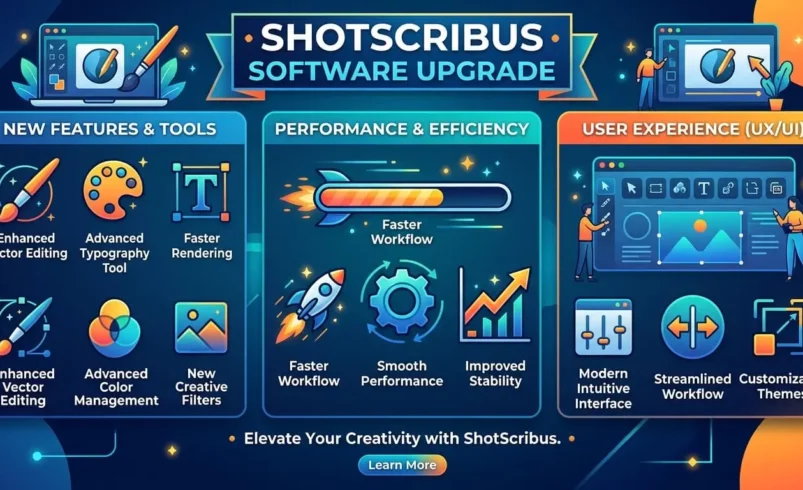
When users look for a shotscribus software upgrade, they are usually trying to understand whether an updated version is available, what might change after installing it, and whether
When users look for a shotscribus software upgrade, they are usually trying to understand whether an updated version is available, what might change after installing it, and whether the process could affect their existing work. These are important questions before making any software changes. An upgrade can sometimes improve stability, introduce new capabilities or address technical problems, but those benefits depend on the actual application, its development status and the release being installed.
The first step is to establish exactly which software is being discussed. The name shotscribus does not, by itself, provide enough independently confirmed information to identify a developer, official product website, release history or supported operating systems. It would therefore be misleading to present a particular version number, download address, pricing model or list of features as established fact. Users should distinguish between information they can verify from an official product source and claims repeated on third-party websites.
This guide explains how to approach a shotscribus software upgrade responsibly. It covers the meaning of a software upgrade, the information to check before installing anything, compatibility and backup planning, general installation principles, troubleshooting and ongoing maintenance. Where product-specific information cannot be independently confirmed, the article clearly separates general software guidance from facts that would require an authenticated shotscribus release announcement or developer documentation.
Quick Information About shotscribus Software Upgrade
Fact
Details
Software name
shotscribus
Software category
Not independently confirmed; its exact category should be checked against an official product description
Primary purpose
The specific functions and intended use of shotscribus have not been independently confirmed
Developer
Not independently confirmed
Supported platforms
Windows, macOS, Linux and other platform support must be verified through an official product source
Current version
No independently confirmed latest version is established in this guide
Upgrade type
Depends on the release offered by the verified developer; it could be a minor update, major upgrade or maintenance release
Licensing model
Not independently confirmed; users should check the applicable licence terms before installation
Official website
An authenticated official shotscribus website has not been independently confirmed
Main upgrade consideration
Confirm the software’s identity, source, version, compatibility and backup requirements before proceeding
Recommended preparation
Save existing work, back up important files and review the installation instructions
Common upgrade risks
Compatibility problems, incomplete installation, configuration changes and loss of unsaved work
What Is the shotscribus Software Upgrade?
A software upgrade generally means moving an application from an existing release to a newer release. Depending on the developer’s release strategy, the change may involve new functions, improvements to existing tools, security corrections, compatibility adjustments or changes to the way the application operates. The term can also describe a larger transition between major software versions.
For shotscribus, the exact nature of an available upgrade needs to be established through reliable product information. A search result or a page using the software’s name is not sufficient evidence that a genuine release exists. Before downloading an installer, users should look for a developer announcement, release notes, a recognised software distribution channel or documentation that clearly identifies the application.
This distinction matters because software names can be similar. A download page might refer to a different product, an unofficial package or an unrelated application. Installing a file simply because its name resembles shotscribus can create unnecessary security and compatibility risks.
Understanding an Upgrade Versus a Routine Update
The words update and upgrade are sometimes used interchangeably, but they can describe different levels of change. A routine update usually involves a relatively small revision to an existing application. It might correct a bug, improve stability or address a security issue without changing the overall way users work.
An upgrade can involve a more substantial change. It may introduce a new version, alter system requirements or require users to review their existing settings and workflows. Some major upgrades also change file formats or remove older functions, which is why checking release notes is important.
The distinction should not be assumed from the wording of a download button. A developer may label a major release an update, while another may use the word upgrade for a collection of smaller improvements. The actual release notes provide more useful information than the label alone.
Why Users Search for a shotscribus Software Update
People typically investigate software updates when they encounter an issue, hear about a newer release or want to make sure their application remains suitable for their computer. They may also be trying to resolve an installation error or determine whether an existing version is still supported.
However, searching for the shotscribus latest version does not establish that a new release has been published. A trustworthy version number should be supported by a release announcement or an official download page. If that evidence is unavailable, it is safer to describe the current version as unconfirmed rather than rely on an outdated or copied listing.
Potential Benefits of a shotscribus Software Upgrade
The possible benefits of a software upgrade depend on what the developer has actually changed. A newer release is not automatically better for every user, and installing it without understanding the changes can sometimes create more problems than it solves. The most useful approach is to identify the improvements described in the release notes and decide whether they address a real need.
Improved Stability and Bug Corrections
One common reason developers release software updates is to correct problems discovered after an earlier version becomes available. These problems may include unexpected shutdowns, errors during routine operations, slow responses or difficulties when opening and saving files. A maintenance release may address one or more of these issues without introducing a completely different interface.
If a verified shotscribus release includes stability corrections, users experiencing the affected problems may benefit from installing it. However, they should first check whether the reported fixes relate to their operating system and the version they currently use. An update intended for a different release may not solve the same issue.
Possible Security Improvements
Security is another important consideration when evaluating an upgrade. Software can contain weaknesses that expose devices or data to unnecessary risks. Developers may publish updates to correct vulnerabilities, improve the handling of external files or strengthen communication between an application and other services.
There is no independently confirmed security update history for shotscribus established here. Users should therefore avoid assuming that a particular release contains security fixes unless the developer documents them. When security corrections are confirmed, the relevant release information can help users decide how urgently they should update.
Better Compatibility With Current Systems
Applications operate within a wider environment that includes operating systems, hardware, drivers, libraries and other installed programs. Changes in any of these areas can affect whether older software continues to work properly.
A software upgrade may improve compatibility with a newer operating system or resolve a conflict with another component. It may also introduce new requirements that older computers cannot meet. For that reason, compatibility should be treated as a specific question rather than an automatic advantage of installing a newer release.
More Consistent Everyday Use
A well-tested update may improve the general experience by correcting small problems that interrupt everyday work. Users may notice fewer errors, more predictable behaviour or smoother interaction with supported system components. These improvements are valuable even when they do not introduce visible new features.
Still, users should judge the value of a shotscribus software upgrade by confirmed changes, not by general promises. If the release information does not describe a particular improvement, it should not be presented as a guaranteed feature.
Possible Limitations and Risks of Upgrading
An upgrade is a technical change, and every technical change carries some degree of risk. Even when a release is legitimate, users can experience problems if their computers do not meet the requirements or if the installation is interrupted.
One possible limitation is that a newer version may no longer support an older operating system. Developers sometimes discontinue support for platforms that have reached the end of their own support periods. A computer that successfully ran an earlier release might therefore be unsuitable for a later one.
Another concern is the possibility of changes to existing settings. Some applications preserve user preferences during an upgrade, while others reset certain options or store configuration information in a new location. If users depend on customised settings, they should record important preferences before making changes.
File compatibility also deserves attention. A new application release may use a revised file structure or introduce changes to how projects are saved. In some software, files created by a newer version cannot be opened by an older version. This is not a confirmed characteristic of shotscribus; it is a general issue worth checking before upgrading any application that manages important files.
Finally, an upgrade may not solve the problem that led a user to search for it. If an application is failing because of insufficient storage, a damaged user profile, a hardware issue or an unrelated operating-system problem, installing a newer version may have little effect. Diagnosing the original issue first can save time.
How to Check Whether a shotscribus Upgrade Is Genuine
Before considering installation, users should establish whether the upgrade comes from a legitimate source. This is particularly important when a product’s identity, developer and official website cannot be independently confirmed.
Look for an Identifiable Developer
A reliable software release should provide enough information to identify the organisation or individual responsible for publishing it. A developer name should appear consistently across the product’s official website, documentation, release notes and distribution channel.
If a page offers a shotscribus installer but provides no meaningful information about who created it, users should be cautious. A product name alone does not establish authenticity. Similarly, a website that repeats generic descriptions without identifying the developer should not automatically be treated as an official source.
Review the Release Notes
Release notes explain what has changed between software versions. They may list bug fixes, security corrections, compatibility changes, removed functions and known issues. This information helps users decide whether the upgrade is relevant to their situation.
For a verified shotscribus software update, useful release information would ideally include the version number, publication date, supported platforms and a summary of changes. If the publisher does not provide these details, users should avoid relying on third-party descriptions as a substitute.
Examine the Download Source
A genuine download should come from a source that can be connected to the verified developer or an authorised software distribution platform. Users should be especially careful with unfamiliar file-sharing pages, shortened links, pop-up download buttons and websites that display several misleading download options.
A download page should identify the software, provide appropriate installation information and explain any requirements. If it redirects users through unrelated pages or requests unnecessary permissions, there is little reason to continue.
Check the Installer Before Opening It
After obtaining a verified installer, users should review its file name, publisher information and available digital signature. On supported operating systems, an installer may display details about the publisher and whether its signature is valid.
An unsigned installer is not automatically malicious, but it provides less assurance about its origin. If the publisher cannot be verified and the download source is unfamiliar, the safest choice is not to run the file.
Compatibility Considerations Before Upgrading
Compatibility is one of the most important parts of any software upgrade process. It determines whether an application can operate correctly on a particular computer and whether existing files, settings and connected tools will continue to work.
Because shotscribus’s supported platforms and minimum system requirements have not been independently confirmed, users should not assume that it supports a particular Windows, macOS or Linux release. These details must come from an authenticated product page or official technical documentation.
Operating System Compatibility
The first thing to check is the operating system. A software installer may be designed for a specific platform or a limited range of operating-system versions. Even applications that appear similar can have different system requirements.
Users should identify the exact operating-system edition and version installed on their device. They can then compare that information with the requirements published by the software developer. If the developer does not provide a compatibility statement, users should not treat the installer as suitable merely because it downloads successfully.
Hardware and Available Storage
Some software requires particular processor capabilities, memory capacity or graphics support. Others are relatively lightweight but still need enough free storage for installation and temporary files.
Before upgrading, users should check available disk space and close unnecessary applications. This reduces the likelihood of an installation failing because the computer cannot complete the process. The exact storage and hardware requirements for shotscribus remain unconfirmed, so no specific minimum specifications should be assumed.
Existing Version and File Compatibility
Users should identify which version they currently have before starting an upgrade. This information can help determine whether the new release is intended as a direct replacement or whether an intermediate upgrade is required.
It is also important to consider files created with the existing version. If the application stores projects, documents or configuration files, users should check whether the newer release can open them and whether older versions can still access files saved after upgrading.
Other Installed Software
Applications sometimes depend on system libraries, plugins, drivers or other programs. An upgrade may change these dependencies or require a newer version of a supporting component.
If shotscribus is used alongside other software, users should check whether those programs are affected by the proposed change. This is particularly important in work environments where several applications share files or rely on the same system resources.
Preparing for the shotscribus Upgrade Process
Preparation reduces the risk of data loss and makes it easier to recover if something goes wrong. Even a relatively small software update should be approached carefully when the application contains important work or customised settings.
Identify the Current Installation
Start by confirming whether shotscribus is already installed and, if so, identifying its current version. Depending on the application, this information may appear in an About section, settings menu, application information screen or installation directory.
Record the version number and the operating system on which it is running. If an error appears during the upgrade, these details can help narrow down the cause. They are also useful when contacting a verified support team.
Save Existing Work
Close any active projects and save important changes before starting an installation. An installer may need to close the application or restart system components. If work remains open, an unexpected interruption could cause unsaved changes to disappear.
Users should also check whether the application has background processes that continue running after its main window closes. Where appropriate, these processes should be closed using the operating system’s normal controls rather than by deleting application files.
Create a Backup
A backup is one of the most useful safeguards before an upgrade. Users should preserve important project files, documents, exported work and any settings that would be difficult to recreate.
If the software stores data in a separate folder, users should identify that location before installation. They should avoid assuming that uninstalling or upgrading an application will always preserve its associated files. Some installers retain user data, while others may remove or replace certain components.
A practical backup should be stored somewhere separate from the main installation. An external drive or trusted cloud storage account can provide additional protection if the computer experiences a problem.
Review the Release Information
Once a genuine release has been identified, read its installation instructions and change summary. Look for any warnings about system requirements, existing versions, file formats or known issues.
If the developer recommends a particular upgrade sequence, follow it rather than improvising. Some applications support direct upgrades, while others require users to install a specific intermediate version. There is no independently confirmed shotscribus upgrade sequence available in this guide.
Ensure a Stable Installation Environment
An interrupted installation can leave software in an incomplete state. Before beginning, make sure the computer has sufficient battery power or is connected to a reliable power supply. Avoid starting an upgrade immediately before shutting down the device or beginning work that cannot be interrupted.
A stable internet connection may also be necessary if the installer downloads additional components. Users should follow the requirements stated by the verified publisher rather than assume that every installation method works offline.
General Software Installation and Upgrade Guidance
The exact shotscribus installation process cannot be described as a verified sequence without official instructions. Nevertheless, users can follow several general principles that apply to legitimate desktop software upgrades.
Step 1: Obtain the Correct Installer
Download the installer only from a verified developer website or an authorised distribution channel. Check that the package matches the operating system and device architecture where those options are provided.
Do not select a file simply because it has the newest-looking version number. An installer may belong to another product, an unofficial modification or an outdated release. Confirm the product name and publisher before proceeding.
Step 2: Review the Installation Instructions
Read any instructions supplied with the installer. They may explain whether the existing version should remain open, whether it must be closed first or whether the previous release needs to be removed.
Avoid uninstalling the current version unless the developer specifically recommends it. Removing an application before confirming the replacement procedure can make recovery more difficult, particularly when important configuration or project files are involved.
Step 3: Run the Installer Carefully
If the file and publisher have been verified, follow the installation prompts provided by the operating system. Review permission requests and avoid approving unrelated software or optional components that are not needed.
Users should not disable antivirus or other security protections simply because an unfamiliar installer requests it. If the installer is blocked, investigate the reason through the operating system’s security information and the developer’s official instructions.
Step 4: Allow the Process to Finish
Do not close the installer or shut down the computer while an installation is in progress. Some upgrades may take longer than expected, particularly when they involve several components.
If the installer appears unresponsive, give it time and check whether the system is still processing. Repeatedly launching the same installer can sometimes create additional problems rather than resolve the original issue.
Step 5: Confirm the Result
After installation, open the application and check its version information if available. Test the functions that matter to your normal work and confirm that important files can still be accessed.
If the application fails to open, do not immediately repeat the entire installation. First review any error message and determine whether the problem relates to compatibility, permissions, missing dependencies or an incomplete installation.
These steps are general guidance, not an official shotscribus installation manual. Product-specific instructions should take priority whenever they are available and authenticated.
Common shotscribus Upgrade Problems and How to Troubleshoot Them
An upgrade can fail for several reasons, and the correct solution depends on the error message and the computer’s configuration. Users should avoid applying random fixes before identifying what went wrong. Deleting program folders, changing system permissions or downloading replacement files from unknown websites can make the situation worse.
The following troubleshooting guidance covers common problems associated with software installations. These are general possibilities, not confirmed defects in shotscribus.
The Installer Will Not Open
An installer may fail to open because the download is incomplete, the file is incompatible with the operating system or the system has blocked it for security reasons. In some cases, the file may not be a genuine installer at all.
Start by checking the file’s origin and confirming that it matches the operating system. If the download was interrupted, remove the incomplete copy and obtain a fresh installer from the verified source. Do not repeatedly run a file that cannot be authenticated.
If the operating system displays a security warning, read the explanation before deciding what to do. A warning about an unknown publisher should not be ignored simply to complete the installation.
The Upgrade Stops Before Completion
An installation may stop because the computer runs out of storage, loses power or cannot access a required component. A damaged installer can also prevent the process from completing.
Check the available disk space and confirm that the computer has not entered a shutdown or restart process. If the installer provides an error code, record it before attempting another installation. That code may help identify whether the issue relates to storage, permissions, a missing dependency or an incompatible package.
If the installer has partially changed the existing application, follow the developer’s recovery instructions. Avoid manually removing system files unless the official documentation specifically directs users to do so.
The Application Does Not Start After Updating
An application that previously opened but fails after an upgrade may have a compatibility issue, a damaged configuration file or a missing supporting component. It is also possible that the installation did not finish correctly.
Restarting the computer can help when an installer has replaced components that require a fresh system session. If the problem continues, check whether the operating system reports an error and whether the developer has documented a known issue affecting the installed release.
Users should preserve their project files and configuration backups while investigating the problem. Reinstalling the software without protecting user data could create an additional problem if the application stores important information locally.
Existing Files Cannot Be Opened
File-access problems may occur when a newer application release changes the way it reads or saves information. They can also result from damaged files, incorrect file permissions or a project that was created in another program.
Before converting or resaving an important file, make a separate copy. Check whether the developer provides information about supported file formats and backward compatibility. If the application offers an export option, review the available formats before making changes to the original project.
Do not assume that an older version can open files saved by a newer version. This depends on the software’s design and must be confirmed through its documentation.
The Updated Application Runs Slowly
Performance changes after an upgrade may be related to background processes, limited memory, insufficient storage or a conflict with another application. The new version may also have different system requirements from the previous release.
Check whether other programs are consuming significant system resources. Close unnecessary applications and make sure the operating system has enough available storage. If performance problems began immediately after the upgrade, compare the computer’s specifications with the new release’s documented requirements.
If the software includes diagnostic or performance settings, consult its official documentation before changing advanced options. There is no confirmed shotscribus-specific performance setting that can be recommended here.
The Installer Reports a Version Conflict
A version conflict may appear when the installer detects an existing release or finds files that do not match the expected installation state. It can also happen when users try to install an older package over a newer version.
Check the currently installed version and compare it with the release you intend to install. If the developer provides an upgrade path, follow that sequence. Do not try to bypass a version check by deleting application folders or editing system settings without clear instructions.
Security and Privacy Considerations During an Upgrade
Security should remain a priority throughout the upgrade process. Users often focus on getting new software features, but the source of the installer and the permissions it requests are equally important.
A genuine application should be obtained from a source that can be connected to its developer or an authorised distributor. Unofficial download pages may distribute modified installers, outdated packages or bundled programs. A file that uses the correct product name is not necessarily safe.
Check Permissions Before Approving Them
Some applications need permission to access particular folders, network resources or system components. Those requests should be consistent with the software’s documented purpose. If an installer requests broad access without providing a clear explanation, users should investigate before approving it.
Avoid entering passwords, payment details or other sensitive information into unfamiliar pages claiming to provide a shotscribus update. A legitimate upgrade should have a clear and verifiable process.
Keep Security Software Active
Users should not turn off antivirus protection or operating-system security features merely to install an unknown package. If a verified installer triggers a warning, check the publisher’s documentation and the operating system’s explanation.
A warning should be treated as information that needs investigation, not as an obstacle that must always be bypassed. If the file cannot be authenticated, it is safer not to run it.
Understand Data Collection and Privacy
Software may collect technical information, usage statistics or account details, depending on its design and privacy policy. Since shotscribus’s developer and privacy documentation have not been independently confirmed, its data practices should not be assumed.
Before creating an account or granting access to personal information, look for a clear privacy policy that identifies what information is collected, why it is needed and how it is handled. Users should be particularly careful when an unfamiliar installer requests personal information unrelated to the installation.
Why Backups Matter Before a Software Upgrade
A backup protects information that may be difficult or impossible to recreate. Even when an upgrade is expected to preserve existing files, an installation error, power interruption or unexpected compatibility issue can affect locally stored data.
Users should identify the information that matters before starting. This may include project files, exported documents, configuration settings, custom templates or other application-related data. The exact locations depend on the software and operating system, so users should consult the product documentation rather than assume that all information is stored in the installation folder.
A useful backup should be separate from the files being upgraded. Copying important information to another location on the same drive may offer limited protection if the drive itself fails. An external storage device or reputable cloud backup service can provide an additional layer of safety.
After creating a backup, verify that the copied files can be accessed. A backup that cannot be opened or is missing important folders offers little protection. Users should also retain the previous installer when it is legitimate and available, especially if the developer provides a supported rollback method.
When Should Users Consider Rolling Back?
A rollback means returning to an earlier software release. It may be appropriate when a new version introduces a serious problem that prevents normal work and the developer provides a safe way to restore the previous version.
However, rollback is not always straightforward. Files saved in the newer version may not work correctly in the older one. Some applications also change their configuration data during an upgrade, which can make returning to an earlier release more complicated.
Before rolling back, users should back up current files and review the developer’s instructions. They should not assume that uninstalling the newer version will automatically restore the previous application and its settings.
Maintaining Software After the Upgrade
Installing a newer release is only one part of software maintenance. Users should continue monitoring the application’s behaviour and reviewing important updates when they become available.
After a successful upgrade, test the main tasks for which the software is used. Open existing files, check important settings and confirm that the application behaves as expected. If the software connects to other tools or services, verify those connections as well.
It is also sensible to keep a record of the installed version and installation date. This makes it easier to identify whether a later problem began after a particular update. If the developer publishes release notes, reviewing them before each future upgrade can help users understand what is changing.
Users should avoid installing every update immediately without considering its purpose. Security updates may deserve prompt attention, while a major release with significant compatibility changes may require more preparation. The right timing depends on the release information, the importance of the software and the user’s ability to recover if something goes wrong.
For a shotscribus software upgrade, the most important maintenance principle is to rely on verified product information. Without an authenticated release history, users cannot confidently determine which version is current or whether a particular update is necessary.
How to Decide Whether to Upgrade Now or Wait
Not every user needs to upgrade as soon as a new release appears. The decision should depend on the reason for upgrading, the reliability of the release information and the potential effect on existing work.
If a verified developer announces a security correction that affects the installed version, delaying the update may leave the system exposed to a known issue. In that situation, users should review the recommended installation process and make the necessary backup before proceeding.
If the release mainly introduces optional changes, users may have more flexibility. They can review the new requirements, check compatibility and wait for further information if the software is essential to their daily work. This is particularly reasonable when the release notes mention known problems affecting a user’s operating system or workflow.
Users who are already experiencing an error should first identify its cause. A software upgrade might solve a documented bug, but it is not a universal repair method. The error could be related to hardware, permissions, damaged files or another installed application.
Ultimately, a sensible upgrade decision is based on evidence rather than urgency. A verified release announcement, clear installation instructions and a suitable recovery plan provide a much stronger basis for action than a third-party page claiming that everyone should download the latest version.
Frequently Asked Questions About shotscribus Software Upgrade
1. What is the shotscribus software upgrade?
The phrase refers to the process of moving shotscribus software to a newer release, if an authenticated newer release is available. The exact features, version changes and installation requirements need to be confirmed through reliable product documentation. Users should not assume that a particular upgrade exists simply because the phrase appears in search results.
2. Is the shotscribus latest version available?
A current shotscribus version number has not been independently confirmed in this guide. Users should check an authenticated developer website or authorised distribution channel for the latest release information. Third-party pages should not be treated as proof of a current version unless their information can be verified.
3. How can I download the shotscribus software update?
First, identify the genuine developer and its official distribution channel. Then confirm that the available installer matches your operating system and the version you currently have. Because an official shotscribus download source has not been independently confirmed here, this article does not provide an unverified download link.
4. Is the shotscribus upgrade process difficult?
The difficulty depends on the application’s installation method, system requirements and existing version. Many software upgrades involve downloading an installer, following its instructions and checking that the new version works. However, shotscribus-specific steps should only be followed when supported by official documentation.
5. Will upgrading shotscribus delete my existing files?
That cannot be guaranteed without knowing how the application handles user data. Some software preserves project files and settings during upgrades, while other applications may require manual backup or migration. Users should save their work and create a separate backup before installing any new release.
6. Which operating systems support shotscribus?
The supported operating systems have not been independently confirmed. Users should check the developer’s system requirements before downloading an installer. They should not assume compatibility with Windows, macOS or Linux based only on the availability of a download file.
7. Does a shotscribus software upgrade include new features?
An upgrade may introduce new features, but this depends on the actual release. A maintenance update might focus on bug fixes or security improvements instead. Users should read the release notes to understand what has changed rather than rely on general claims about new functionality.
8. What should I do if the shotscribus installer fails?
Check the installer’s source, operating-system compatibility, available storage and any error message displayed. If the download may be incomplete, obtain a fresh copy from a verified source. Record the error code and consult the developer’s instructions before attempting more advanced fixes.
9. Can I upgrade shotscribus without uninstalling the old version?
Some applications support direct upgrades, while others require a specific installation sequence. The correct method for shotscribus has not been independently confirmed. Users should follow the developer’s instructions and avoid uninstalling the existing version unless the official process requires it.
10. Why is shotscribus running slowly after an upgrade?
Possible causes include limited system resources, compatibility problems, background processes or changed software requirements. Check available storage and memory, close unnecessary applications and review the release notes for known performance issues. If the slowdown began immediately after an update, record the installed version when seeking support.
11. Is it safe to download shotscribus from a third-party website?
A third-party download should not be considered safe merely because it displays the software’s name. Users should verify whether the website is authorised by the developer and inspect the publisher information where available. Unknown installers, suspicious redirects and unnecessary permission requests are reasons to stop and investigate.
12. Can I return to an older shotscribus version?
That depends on whether the application supports rollback and whether the previous installer is available from a legitimate source. Users should also consider whether files saved in the newer release can be opened by an older version. Back up important data before attempting to downgrade.
13. How often should I check for shotscribus updates?
Users can review release announcements periodically and pay particular attention to confirmed security or compatibility updates. There is no verified shotscribus update schedule established here. Following the developer’s documented release channel, once identified, is more reliable than relying on random download websites.
14. Does the shotscribus software upgrade cost money?
Its licensing and pricing model have not been independently confirmed. Some applications offer free updates, while others charge for major upgrades or require an active subscription. Users should review the software’s licence terms and official pricing information before making a payment.
15. What information should I check before installing a shotscribus update?
Confirm the product’s identity, developer, release version, download source, supported operating systems and installation requirements. Review the release notes and back up important files. These checks help users avoid incompatible installers and reduce the risk of losing existing work.
16. What should I do if shotscribus stops opening after an upgrade?
Restart the computer and check whether the operating system displays an error. Review compatibility information and the installation status, while keeping existing project files safe. If the problem continues, consult verified developer support rather than downloading replacement files from an unknown source.
17. Is the shotscribus software upgrade necessary for every user?
No software upgrade should be considered necessary without understanding what it changes and whether the release applies to the user’s installation. A confirmed security correction or important compatibility fix may make an update more urgent. Optional improvements may allow more time for preparation and testing.
Conclusion
A shotscribus software upgrade should be approached as a technical decision rather than a simple download. Users need to know which application they are dealing with, who publishes it, what version is available and whether the new release is compatible with their computers. Checking these details before installation can prevent confusion and reduce the risk of data loss, failed updates and security problems.
The most important limitation in evaluating shotscribus is the lack of independently confirmed product information about its developer, official website, supported platforms, current version and licensing model. Those details should not be guessed or presented as established facts. Until reliable documentation is available, users should avoid treating unverified installers or third-party descriptions as official upgrade instructions.
For any legitimate software update, a careful process remains useful: verify the source, review the release notes, check compatibility, save existing work, create a backup and follow the publisher’s installation guidance. After installation, confirm that the application works correctly and keep track of future releases. These practical steps give users a safer foundation for managing shotscribus or any other software upgrade.