Online gaming has developed into a form of entertainment that brings people together across geographical boundaries. Players no longer need to visit a convention centre, gaming arena, or
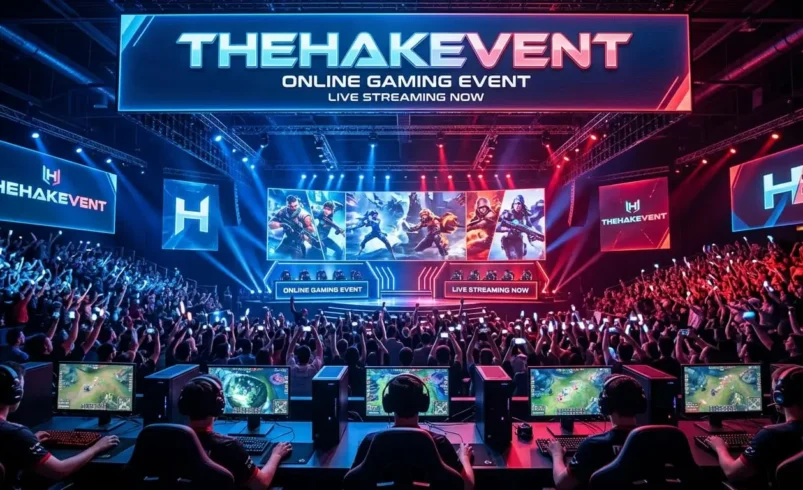
Online gaming has developed into a form of entertainment that brings people together across geographical boundaries. Players no longer need to visit a convention centre, gaming arena, or local competition venue to enjoy organized multiplayer experiences. Through internet-connected platforms, they can compete, communicate, watch live matches, and participate in digital communities from their own homes. This changing environment has created interest in virtual gaming gatherings and events, including topics such as the online gaming event TheHakevent.
The name TheHakevent raises questions about the kind of digital experience associated with an online gaming event. Is the central attraction competitive play, multiplayer entertainment, community interaction, or a combination of these elements? Without independently verified information establishing its organizers, official programme, schedule, or tournament structure, it would be inaccurate to describe TheHakevent as a confirmed esports championship or established annual competition. Instead, the subject can be explored through the wider concept of online gaming events and the experiences that make them appealing.
Understanding this distinction is important because an event name alone does not confirm its official status or operating arrangements. Nevertheless, the wider subject offers plenty to examine. Virtual gaming events demonstrate how technology, competition, entertainment, and social participation can combine to create experiences that extend beyond simply playing a game. They also highlight the importance of accessibility, fair play, online safety, and community engagement.
Fact
Details
Event Name
TheHakevent
Full Name
The Online Gaming Event TheHakevent
Event Category
Online gaming and digital entertainment topic
Main Theme
Virtual gaming, multiplayer participation, and digital competition
Industry
Gaming, esports, and online entertainment
Event Format
A virtual gaming event concept; its specific operating format is unverified
Target Audience
Online gamers, esports enthusiasts, multiplayer players, and gaming communities
Gaming Focus
Competitive gaming, multiplayer experiences, and community interaction
Participation Type
Potentially remote and internet-based; actual participation arrangements are unverified
Main Attraction
The possibility of combining gaming competition with online community engagement
Digital Entertainment Category
Interactive online gaming
Official Website
An official website or verified event domain has not been established
Understanding the Online Gaming Event TheHakevent
The phrase the online gaming event TheHakevent connects a particular event name with a broader form of digital entertainment. Online gaming events can take many forms, ranging from informal multiplayer sessions to structured competitions with registration systems, match schedules, moderators, and defined rules. Some focus on serious competition, while others emphasize entertainment, audience participation, and opportunities for players to meet people with similar interests.
TheHakevent should be approached with this wider context in mind. The name may attract attention from people looking for information about gaming competitions or virtual entertainment, but a responsible explanation must separate the meaning of the topic from details that have not been confirmed. There is no reason to assume that a particular game, professional team, prize pool, or organizer is associated with it without reliable evidence.
For readers, the most useful starting point is understanding what makes an online gaming event meaningful. Its value does not necessarily depend on a large audience or professional players. A well-organized digital gathering can be enjoyable because it gives participants a reason to play together, communicate, test their abilities, and share memorable experiences.
What Does an Online Gaming Event Usually Involve?
An online gaming event is an organized or coordinated gaming experience that takes place through internet-connected devices and platforms. Participants may join from different cities or countries, depending on the event’s accessibility and technical requirements. Rather than gathering at one physical location, they connect through game servers, communication applications, event websites, or streaming services.
The structure can be relatively simple. A community might arrange a multiplayer session in which players form teams and compete over a few hours. A more formal event could include registration, eligibility requirements, match brackets, designated competition times, and moderators responsible for handling disputes. Some virtual gatherings also include live commentary, audience chats, interviews, or discussions about gaming culture.
The defining feature is not a particular game or technology. It is the shared digital environment that allows people to participate in an organized gaming experience without necessarily meeting in person.
Why the Name TheHakevent Attracts Interest
Distinctive event names often generate curiosity because they suggest a recognizable digital gathering or gaming experience. Someone encountering TheHakevent may want to understand whether it refers to a tournament, an online community activity, a gaming programme, or a broader entertainment concept.
However, curiosity should not be confused with confirmation. A search result, social media mention, or discussion about an event name does not automatically establish that a formal competition exists. Readers should look for clear information about ownership, official announcements, registration procedures, and event rules before treating any particular description as authoritative.
This careful approach also helps prevent confusion between genuine event information and promotional claims. It allows readers to explore the subject without assuming that every feature associated with online gaming events is necessarily part of TheHakevent.
How Digital Gaming Gatherings Have Changed Entertainment
Gaming events once depended heavily on physical locations. Players travelled to gaming conventions, internet cafés, local tournaments, and dedicated esports arenas to meet competitors and take part in shared activities. These environments created an atmosphere that was difficult to reproduce outside a physical gathering. Spectators could watch matches together, meet other enthusiasts, and experience the excitement of competition in the same room.
Internet connectivity has introduced another option. Virtual events allow participants to connect through digital platforms without travelling to a shared venue. This development has expanded the ways gaming communities organize activities and has made participation more practical for people who live far from major gaming centres.
The Difference Between Online Events and Gaming Conventions
Traditional gaming conventions are usually built around physical attendance. Their programmes may include exhibition areas, demonstrations, merchandise, developer presentations, networking opportunities, and live competitions. The venue itself is part of the attraction because visitors can explore different activities and interact directly with other attendees.
Online gaming events work differently. Their main environment is digital, so the experience depends on internet access, compatible devices, platform availability, and communication tools. Participants can join matches from home, while spectators may watch through streaming services. This arrangement can reduce travel expenses and make certain activities accessible to people who would otherwise be unable to attend.
There are trade-offs, however. Virtual participation cannot fully reproduce the atmosphere of a crowded esports arena or the spontaneous conversations that happen at a convention. Technical problems can interrupt matches, and players may find it harder to develop personal connections when most interaction takes place through voice chat or text messages.
Neither format is automatically better. Physical conventions offer a shared location and direct social contact, while virtual gaming events provide flexibility and broader geographical access.
Accessibility Makes Remote Participation Attractive
One of the strongest advantages of digital gatherings is that participants do not always need to live near a major gaming centre. A player in a smaller town may be able to join a competition hosted by a community in another country, provided the event supports their region and connection requirements.
This accessibility is particularly valuable for players who cannot afford travel or take time away from school, work, or family responsibilities. It also creates opportunities for smaller communities to organize activities without renting physical venues or arranging transportation.
Nevertheless, accessibility should not be confused with universal availability. Some competitions restrict participation by country, age, platform, or skill level. Others may require particular hardware or minimum connection speeds. Event organizers need to communicate these requirements clearly so potential participants can decide whether they are able to join.
Why Online Gaming Events Appeal to Different Types of Players
The popularity of online gaming is connected to the variety of experiences it offers. Some players enjoy testing their skills against strong opponents, while others prefer cooperative missions, casual matches, or conversations with people who share their interests. Online events can bring these different motivations together when their activities are designed with a broad audience in mind.
TheHakevent can be considered within this wider discussion of digital gaming entertainment. Rather than assuming that every participant wants professional-level competition, it is useful to recognize that gaming communities include people with different abilities, schedules, and expectations.
Competition Gives Players a Clear Goal
Competitive gaming creates a reason to practise, improve, and measure progress. Players may enjoy learning advanced strategies, understanding game mechanics, improving reaction times, or working toward a team objective. An organized event can make these activities more engaging by giving participants a defined challenge.
A tournament structure also creates anticipation. When players know that matches will take place at a particular time, they can prepare their equipment, discuss strategies, and coordinate with teammates. Even a small community competition can feel more meaningful when participants understand what they are working toward.
However, not every gaming event needs a winner. Some virtual gatherings are built around cooperation, exploration, creative activities, or simply spending time with other players. A successful event should match its format to the interests of its intended audience.
Casual Players Want Social Experiences Too
Gaming is not exclusively about rankings and professional performance. Many people play because it provides a convenient way to relax and communicate with friends. Cooperative missions, shared challenges, and casual multiplayer matches can create enjoyable experiences without the pressure of elimination rounds.
Events that welcome casual participants may attract people who are interested in gaming but have little experience with esports. Beginner-friendly activities can make it easier for newcomers to participate without feeling that they must already understand advanced strategies.
This wider appeal matters because a gaming community can become stronger when it welcomes different levels of experience. Competitive players bring ambition and technical knowledge, while casual participants contribute social energy and a broader range of interests.
The Role of Multiplayer Competition in Virtual Gaming Events
Multiplayer experiences are central to many online gaming events because they turn individual gameplay into a shared activity. Instead of playing against computer-controlled opponents, participants interact with other people whose decisions, strategies, and communication styles can change the direction of a match.
These interactions create unpredictability. A team may have a carefully prepared plan, but an opponent’s unexpected move can force players to adjust immediately. This combination of strategy and human decision-making is one reason competitive multiplayer games remain attractive to dedicated players.
Teamwork Can Matter as Much as Individual Skill
In team-based games, success often depends on how well participants coordinate their actions. Individual ability is important, but it does not always guarantee a strong result. Players may need to communicate enemy positions, share resources, protect teammates, or decide when to attack and retreat.
A hypothetical five-player team competition illustrates this relationship. One player might focus on gathering information, another could manage defensive responsibilities, and others might handle offensive objectives. If these participants communicate effectively, their combined performance may be stronger than the efforts of five individuals acting independently.
This is why online competitions can be useful learning experiences. Players discover how to communicate under pressure, respond to mistakes, and adjust their plans when circumstances change. These skills can improve the overall competitive gaming experience even when a team does not win.
Different Games Create Different Competition Styles
Online gaming events can include several genres, each offering a distinct type of challenge.
First-person shooters often emphasize positioning, accuracy, reaction time, and team coordination. Multiplayer online battle arena games usually involve strategic planning, character selection, resource management, and coordinated objectives. Sports simulations reproduce familiar competitive activities in a digital environment, while racing games test timing, control, and consistency.
Strategy games introduce another dimension. Their competitions may reward long-term planning, careful decision-making, and the ability to predict an opponent’s actions. Cooperative survival games, meanwhile, can focus on resource management and group problem-solving rather than direct competition.
The game selection has a major influence on an event’s audience and structure. Organizers should choose activities that match participants’ interests, available hardware, and expected skill levels.
Building a Multiplayer Gaming Community Through Shared Experiences
A gaming event can be more than a sequence of matches. It can become a meeting point for people who enjoy discussing games, sharing strategies, watching competitions, and helping one another improve. These social connections are an important part of the multiplayer gaming community.
Online communities often develop around shared interests rather than geographical location. Players may become familiar with one another through regular matches, discussion channels, or live streams. Over time, these interactions can create a sense of belonging.
Communication Helps Players Connect
Communication tools make it possible for participants to coordinate during matches and interact outside gameplay. Voice chat is useful when decisions need to be made quickly, while text channels can support longer discussions, announcements, and questions.
A well-managed community should make these spaces welcoming. Clear rules about harassment, offensive language, spam, and disruptive behaviour help participants understand what is acceptable. Moderators can also provide assistance when disagreements arise.
Without moderation, even a promising gaming community can become difficult to use. Repeated arguments, personal attacks, cheating accusations, and unwanted promotional messages may discourage people from participating. Community guidelines are therefore not merely administrative documents; they help protect the environment that makes an event enjoyable.
Spectators Can Strengthen Community Engagement
Not everyone who joins a gaming event wants to compete. Some people prefer watching matches, following skilled players, discussing tactics, or supporting friends. Spectators can contribute to the atmosphere by participating in chats, sharing match highlights, and discussing interesting moments.
Live commentary can make competitions easier to follow, particularly for viewers who are unfamiliar with a game. A commentator might explain why a team chose a particular strategy or describe how an unexpected decision changed the match.
Audience participation should still be managed carefully. Organizers may need rules for chat behaviour, spoiler-free discussions, moderation, and the sharing of match information. A positive spectator environment encourages people to return and can help an event develop a more active community.
Technology Behind the TheHakevent Online Gaming Event Concept
The success of any virtual gaming experience depends partly on the technology supporting it. Players need compatible devices, access to the selected games, stable internet connections, and reliable communication systems. Organizers also need practical ways to share information, coordinate matches, and manage participants.
These requirements can vary considerably. A casual community session may need little more than a multiplayer game and a communication channel. A larger competition may require registration tools, match scheduling, server administration, moderation systems, and streaming equipment.
Stable Internet Connectivity Is Essential
A reliable internet connection can make a major difference during multiplayer gameplay. Online games exchange information between players and game servers, and delays can affect how smoothly those interactions occur.
Latency, often called ping, measures the time required for information to travel between a player’s device and a server. High latency can make controls feel delayed, which may be especially frustrating in fast-paced competitive games. Packet loss can also interrupt communication between devices and lead to inconsistent gameplay.
Players preparing for an online event should consider using a stable broadband connection where possible. A wired Ethernet connection may provide more consistency than Wi-Fi in some environments, although a strong wireless connection can also work well. Closing unnecessary downloads and background streaming applications can help reduce network congestion.
Organizers should consider regional server availability when selecting competition formats. If participants connect from distant locations, differences in latency may create an unfair experience. Clear server arrangements and connection requirements can help reduce these problems.
Devices and Software Need to Work Together
Gaming hardware does not need to be expensive for every type of online event. Casual multiplayer sessions may work comfortably on ordinary computers, consoles, or mobile devices. More demanding competitions can require stronger processors, graphics capabilities, displays, and input equipment.
The important consideration is compatibility. Participants should check whether the selected game supports their device and operating system. They should also review installation requirements, available storage, controller support, and any software updates needed before joining.
Communication applications may introduce additional requirements. Voice chat, streaming tools, and event dashboards can use system resources, so players should test them before a competition begins. A short technical check can prevent avoidable interruptions during important matches.
Event Platforms Help Organize Participation
Online gaming platforms provide the environment where players access games, manage accounts, communicate, and sometimes join communities. Depending on the event, organizers may also use external tools for registration, scheduling, announcements, and results.
A clear event information system is especially useful when several matches are taking place. Participants should be able to understand when they are expected to play, how opponents are assigned, where match results must be submitted, and who to contact when something goes wrong.
For TheHakevent, no particular registration platform or technical system should be assumed without verified information. These examples describe the tools that commonly support virtual gaming competitions rather than confirmed features of a specific event.
Streaming and Live Interaction Expand Digital Gaming Entertainment
Streaming has changed how people experience competitive gaming. In a traditional competition, spectators generally need to be present at the venue or watch a broadcast. Online events can reach viewers through internet-based video platforms, allowing people to follow matches from different locations.
A live broadcast may include gameplay footage, commentary, match statistics, interviews, and audience interaction. These features can make an event more accessible to viewers who are not directly involved in the competition.
Why Live Streaming Matters
Streaming gives spectators a way to experience the excitement of a match without joining the game themselves. Viewers can observe high-level strategies, learn about unfamiliar titles, and support players or teams they enjoy watching.
For participants, broadcasting can also provide an opportunity to share their gameplay with a wider audience. Some players stream casually, while others develop regular content around competitive matches, tutorials, or gaming discussions.
However, streaming introduces responsibilities. Players should understand the privacy settings of their accounts, avoid displaying personal information, and follow the rules of the platform they use. Organizers should also consider permission, content moderation, and the appropriate use of copyrighted music or other material in broadcasts.
Audience Interaction Should Add Value
Live chats, polls, question sessions, and post-match discussions can make spectators feel involved. These activities give viewers a chance to react to important moments and share opinions with other members of the community.
Interaction works best when it remains relevant to the event. Uncontrolled chat can become distracting or hostile, especially during competitive matches. Moderators should be able to remove abusive comments and address behaviour that violates community standards.
An engaging online event is not defined only by the number of people watching. The quality of interaction, clarity of communication, and overall atmosphere can be just as important.
What Participants Should Consider Before Joining an Online Gaming Event
Before joining a virtual gaming competition, participants should understand what the event expects from them. Registration details, age requirements, regional restrictions, game versions, and equipment rules can differ between competitions. Reading the available information carefully helps prevent confusion later.
Anyone exploring TheHakevent online gaming event should apply the same approach: confirm the event’s identity and official information before submitting personal details, installing unfamiliar software, or making payments.
Check the Rules and Participation Requirements
A properly organized competition should explain its basic rules before participants enter. These may include eligible games, match formats, team sizes, prohibited software, scoring procedures, and methods for resolving disputes.
Players should also understand whether the competition is open to beginners or intended for experienced participants. A casual event may encourage experimentation, while a serious tournament may enforce strict requirements concerning equipment and conduct.
If essential information is missing, it is reasonable to seek clarification before joining. Participants should not rely entirely on informal messages or promotional statements when important conditions are involved.
Prepare Equipment in Advance
Technical preparation can reduce stress on the day of an event. Players should install the correct game version, update necessary software, test their internet connection, and check that their headset, controller, keyboard, or mouse works properly.
It is also useful to confirm account access before the competition begins. Forgetting a password, discovering that an account requires verification, or encountering an unexpected software update can delay participation.
A short practice session can help identify problems early. Players can test voice communication, adjust settings, and confirm that the selected game runs smoothly on their devices.
Understand the Schedule and Time Zone
Online competitions may involve participants from different regions. A schedule written in one time zone can create confusion for people joining from elsewhere.
Organizers should clearly state the time zone used for event announcements. Participants should convert match times accurately and allow enough time to connect before their scheduled start.
A reliable schedule is particularly important when multiple rounds or team matches are involved. Late arrivals can affect other participants and disrupt the overall competition.
Fair Play, Cybersecurity, and Responsible Participation
Trust is essential in online gaming communities. Participants need confidence that competition rules are applied consistently, that personal information is protected, and that disruptive behaviour is addressed. Without these safeguards, even technically successful events can develop a poor reputation.
Fair Rules Create Better Competition
Fair competition begins with clear expectations. Organizers should explain which game versions are allowed, what equipment participants may use, and which forms of assistance are prohibited. Rules should also describe how match results are recorded and how disputes are reviewed.
Cheating can take several forms, including unauthorized software, account manipulation, exploiting unintended game behaviour, or deliberately interfering with opponents. Different games have different methods of detecting and preventing these activities, but consistent enforcement remains important.
Dispute procedures should be transparent. If a player believes a rule has been broken, they should know how to report the issue and what information may be required. Organizers should review complaints fairly rather than relying on popularity or personal relationships.
Moderation Protects the Community
Competitive environments can become emotional, especially when players invest time in preparing for matches. Frustration is normal, but harassment, threats, discriminatory comments, and deliberate disruption should not be treated as acceptable behaviour.
Moderation teams help maintain standards by responding to reports, removing inappropriate content, and applying community rules. They should also communicate decisions clearly so participants understand why action has been taken.
A useful set of community guidelines should cover respectful communication, acceptable usernames, spam, personal attacks, privacy, and the reporting process. These expectations are relevant to casual sessions as well as serious esports competitions.
Protecting Gaming Accounts and Personal Information
Account security is another important part of online gaming participation. Players may store personal information, payment details, saved progress, and digital purchases within gaming accounts. Losing access can therefore create more than a temporary inconvenience.
Participants should use strong, unique passwords and enable two-factor authentication when available. They should avoid sharing login credentials and be cautious about messages claiming to offer prizes, exclusive access, or urgent account assistance.
Suspicious links deserve particular attention. A fake registration page may imitate a familiar gaming service to collect usernames and passwords. Before entering information, players should verify the website address and confirm that the event or platform is legitimate.
It is also wise to avoid sharing private details in public chats or live streams. Personal addresses, phone numbers, financial information, and account recovery details should remain private.
Responsible Gaming Matters
Gaming can be enjoyable, social, and challenging, but participation should remain balanced with other responsibilities. Long sessions may affect sleep, concentration, work, education, and personal relationships if players do not manage their time carefully.
Participants can benefit from taking regular breaks, maintaining reasonable schedules, and recognizing when competition is becoming stressful. Organizers can support this approach by providing realistic match schedules and avoiding unnecessary pressure to remain online for extended periods.
Responsible participation also means treating other players respectfully, avoiding harmful behaviour, and understanding that losing a match is part of competition. A healthy gaming environment values enjoyment and fair participation rather than results alone.
Challenges That Can Affect Virtual Gaming Competitions
Online gaming events provide flexibility, but they are not free from problems. Technical difficulties, scheduling conflicts, differences in player skill, and communication issues can affect the experience. Understanding these challenges helps explain why event organization requires more than simply creating a multiplayer lobby.
Technical Interruptions Can Disrupt Matches
Internet disconnections, server outages, software crashes, and hardware problems may occur during competitions. Even a brief interruption can influence the outcome of a close match.
Organizers should establish procedures for technical incidents before competition begins. These may explain whether a match can be restarted, how long a player may wait for reconnection, and who has authority to make decisions.
Participants should also understand that not every technical problem is within an organizer’s control. Clear communication and consistent policies can reduce disagreements when interruptions occur.
Skill Differences Can Affect Participation
An event that places beginners against highly experienced competitors may discourage newcomers. Although mixed-skill competitions can sometimes be entertaining, they need appropriate formats to remain enjoyable.
Organizers can consider separate divisions, casual brackets, practice sessions, or beginner-friendly activities. These arrangements allow people to participate at a comfortable level while still giving experienced players meaningful challenges.
The goal is not necessarily to eliminate skill differences. It is to create an environment where participants understand the level of competition and can make informed decisions about joining.
Managing Different Time Zones Is Difficult
A virtual event may attract people from multiple countries, but international participation introduces scheduling challenges. A convenient time for one group may be inconvenient for another.
Organizers can address this by announcing schedules early, identifying the time zone clearly, and considering regional divisions where appropriate. For larger events, separate match windows may help accommodate participants who cannot join a single global schedule.
These arrangements require planning, but they can make online competitions more accessible and reduce unnecessary missed matches.
What Makes an Online Gaming Event Engaging Beyond the Games?
The quality of a virtual gaming event depends on more than the titles included in its programme. Good communication, accessible information, community interaction, and thoughtful organization all influence how participants experience it.
A competition can feature popular games and still feel disorganized if players cannot find match details or receive timely responses to questions. Conversely, a smaller gathering can create a positive impression when its activities are clear and its community is welcoming.
Clear Communication Builds Confidence
Participants should know where to find announcements, schedules, rule updates, and technical instructions. Organizers should use consistent communication channels and avoid sharing conflicting information across multiple platforms.
Important changes should be announced clearly, particularly when they affect match times, eligibility, or competition procedures. A well-informed participant is less likely to miss a match or misunderstand an instruction.
Community Activities Create Lasting Interest
Gaming discussions, strategy sessions, casual matches, and post-event conversations can encourage participants to remain connected after a competition ends. These activities give people reasons to interact even when they are not actively playing.
For example, a community might arrange a discussion about favourite game strategies or invite participants to share highlights from a recent match. Such activities are hypothetical examples of what virtual gaming communities can offer, not confirmed elements of TheHakevent.
The broader lesson is that community engagement develops through repeated positive interactions. An event becomes more memorable when people feel that they are part of a shared experience rather than simply names on a match list.
The Future of Online Gaming Communities
Online gaming communities are likely to continue changing as games, communication tools, streaming services, and internet infrastructure develop. New technologies may introduce additional ways for participants to compete and interact, but the basic appeal of shared gaming experiences is unlikely to depend on technology alone.
Players still value opportunities to meet others, improve their abilities, enjoy familiar games, and take part in meaningful challenges. Future virtual events will need to balance these interests with accessibility, safety, and fair organization.
More Flexible Ways to Participate
Digital events can experiment with different formats. Some may use short competitions that fit around everyday schedules, while others may arrange longer tournaments with multiple rounds. Community sessions can also combine competitive matches with casual activities, allowing participants to choose how involved they want to be.
Flexibility may be especially valuable for international audiences. Regional match windows, asynchronous challenges, and different participation levels can help people take part without requiring everyone to be online at the same time.
Technology Will Continue to Shape the Experience
Improvements in internet infrastructure, game servers, cross-platform compatibility, and streaming tools can make virtual competitions smoother. Better moderation systems and account security features may also help communities manage participation more effectively.
However, technology alone cannot guarantee a successful event. Organizers still need clear rules, realistic schedules, effective communication, and a genuine understanding of their audience.
Community Trust Will Remain Important
As more gaming activities move online, participants will continue to look for trustworthy environments. They want to know who is organizing an event, how their information is handled, what rules apply, and where to seek help.
This is particularly relevant to emerging event names and digital gaming projects. Transparent information helps people distinguish legitimate activities from misleading promotions. It also gives communities a stronger foundation for long-term participation.
For a topic such as TheHakevent, confirmed details and clear public communication would be essential before readers could make specific claims about its activities or reputation.
Frequently Asked Questions
1. What Is the Online Gaming Event TheHakevent?
The online gaming event TheHakevent is a topic associated with online gaming and digital entertainment. Its name suggests an interest in virtual gaming activities, competitions, or community participation. However, specific details establishing it as an officially organized tournament, recurring event, or recognized esports competition have not been verified. Readers should confirm official announcements and event information before assuming particular arrangements exist.
2. What Makes Online Gaming Events Different From Traditional Tournaments?
Online gaming events allow participants to connect through internet-based platforms rather than requiring everyone to attend a shared physical venue. They can reduce travel requirements and make participation possible across geographical boundaries. Traditional tournaments often provide a physical atmosphere, direct interaction, and dedicated competition facilities. Virtual competitions offer flexibility, although they depend more heavily on internet quality, compatible devices, and digital communication systems.
3. Can Players Participate in Virtual Gaming Competitions Remotely?
Yes. Remote participation is a common feature of virtual gaming competitions. Players can connect from their homes or other suitable locations using compatible devices and internet connections. However, eligibility depends on the event’s rules. Some competitions may impose regional restrictions, age requirements, specific hardware standards, or designated server locations. Participants should review these conditions before registering.
4. Why Are Online Gaming Communities Becoming Popular?
Online gaming communities allow people with shared interests to connect without living in the same city or country. They provide opportunities to play multiplayer games, discuss strategies, watch competitions, share content, and build friendships. These communities can also support beginners by providing advice and opportunities to learn. Their appeal comes from combining entertainment with social interaction and shared experiences.
5. What Equipment Is Useful for Participating in Online Gaming Events?
The necessary equipment depends on the game and competition format. A compatible computer, console, or mobile device may be sufficient for casual activities. Players may also benefit from a reliable internet connection, a headset, and suitable input devices such as a keyboard, mouse, or controller. Competitive events may have additional technical requirements, so checking the rules in advance is important.
6. How Does Competitive Gaming Encourage Teamwork?
Team-based games require participants to coordinate their actions, communicate information, and work toward shared objectives. Players may have different roles, responsibilities, or abilities, making cooperation essential. Competitive gaming can help participants practise decision-making, strategic planning, communication, and adapting to unexpected situations. These experiences can make multiplayer competition more engaging than playing entirely alone.
7. What Security Precautions Should Online Gaming Participants Follow?
Players should use strong passwords, enable two-factor authentication when available, and avoid sharing account credentials. They should verify event websites before entering personal information and remain cautious about suspicious links or messages promising prizes. Participants should also protect private information in public chats and streams. These precautions help reduce the risk of account theft, phishing, and unwanted exposure of personal details.
8. Are Online Gaming Events Suitable for Beginners?
Many online gaming events can be suitable for beginners, particularly when they offer casual matches, introductory activities, or separate skill levels. However, not every competition is designed for newcomers. Some tournaments expect advanced knowledge and competitive experience. Beginners should check the event description, understand the participation requirements, and choose activities that match their current abilities.
9. What Should Readers Verify Before Joining TheHakevent?
Readers should look for reliable information identifying the event’s official website or communication channel, organizers, game selection, participation requirements, rules, schedule, and registration process. They should also check whether any requested payment or personal information is genuinely necessary. Since specific operational details about TheHakevent have not been independently established here, verification is important before making commitments.
Conclusion
Virtual gaming events represent an important part of modern digital entertainment because they allow people to compete, cooperate, communicate, and enjoy games without depending on a shared physical location. Their appeal comes from more than convenience. They create opportunities for players to develop skills, discover new communities, watch exciting matches, and participate in experiences that connect people across geographical boundaries.
The online gaming event TheHakevent is best approached with an understanding of this wider gaming environment rather than assumptions about unverified tournament details. Its name provides a starting point for exploring virtual competitions and multiplayer communities, but specific claims about its organizers, schedule, prizes, participating teams, or official status require reliable confirmation.
As online gaming continues to develop, accessibility, fair competition, responsible participation, and community trust will remain essential. The strongest digital events are not simply those that bring players into the same virtual match. They are the ones that create a welcoming environment, communicate clearly, protect participants, and give people a genuine reason to return.